THE SVENGALI MANIFESTO
A Novella by Dietrich Zeledon
"ILLUSIONS, DELUSIONS"
What is truth but a mirror we craft for ourselves?
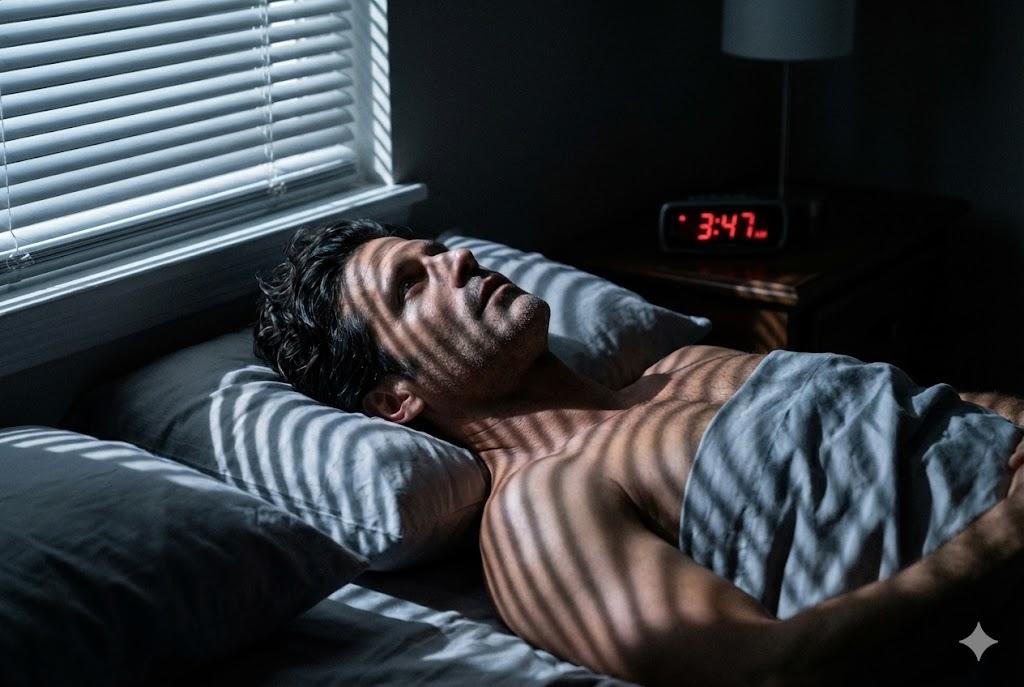
3:47 AM.
The digital clock glows in the darkness, casting its red judgment across the ceiling.
I am forty-six years old, and I cannot sleep.
The sheets are expensive — Egyptian cotton, thread count obscene — but comfort has never been about fabric. It's about the silence between thoughts. And tonight, my thoughts refuse to be silent.
I whisper to the darkness the way I used to whisper to lovers: softly, deliberately, knowing the words matter less than the intention behind them.
"What have I become?"
The question hangs in the air, unanswered. The moonlight cuts through the venetian blinds, painting silver bars across my face like a beautiful prison.
Forty-eight months of celibacy. Four years of self-imposed exile from the hunt. And yet tonight, something shifted.
Tonight, I met her.

Bodega. Coral Gables.
The kind of place where margaritas cost too much and regrets cost more.
I wasn't looking. That's what I told myself as I nursed my drink at the bar, watching the amber lighting paint everyone in shades of desire and deception.
Then the door opened.
Two women. Backlit by the street, silhouettes cutting through the warm glow of the bar like a prophecy I didn't know I'd been waiting for.
One of them was Sydney. I knew her — friend of a friend, the kind of social currency that circulates in these circles.
But the other one.
The other one moved like she owned the room before she'd even stepped inside it. Confidence wrapped in casual indifference. The kind of woman who makes men forget their own names.
I turned to look. Our eyes met across the crowded space.
And in that moment, I felt something I hadn't felt in four years.
The thrill of the hunt.
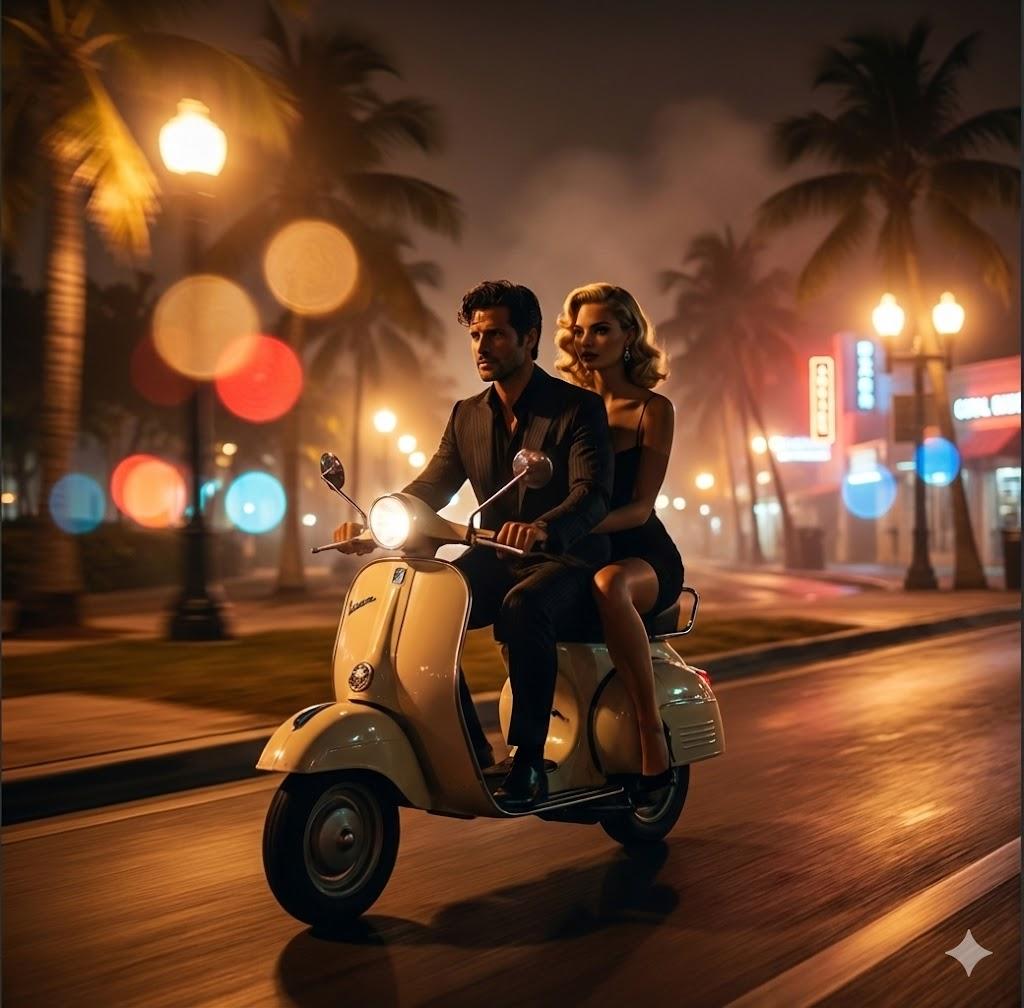
The Vespa cut through the humid Miami night, palm trees blurring past us like memories I was trying to outrun.
Her arms wrapped around my waist. Not desperate. Not clingy. Just... there. Present. Like she'd done this a thousand times before.
"You always give strange women rides home?" she asked, her voice warm against my ear.
"Only the dangerous ones."
She laughed. Not the polite laugh women use to fill silence — a real one, sharp and knowing.
"What makes you think I'm dangerous?"
I didn't answer. The streetlights created bokeh orbs in my peripheral vision, the night air thick with possibility.
Some questions don't need answers.
Some questions are the answer.
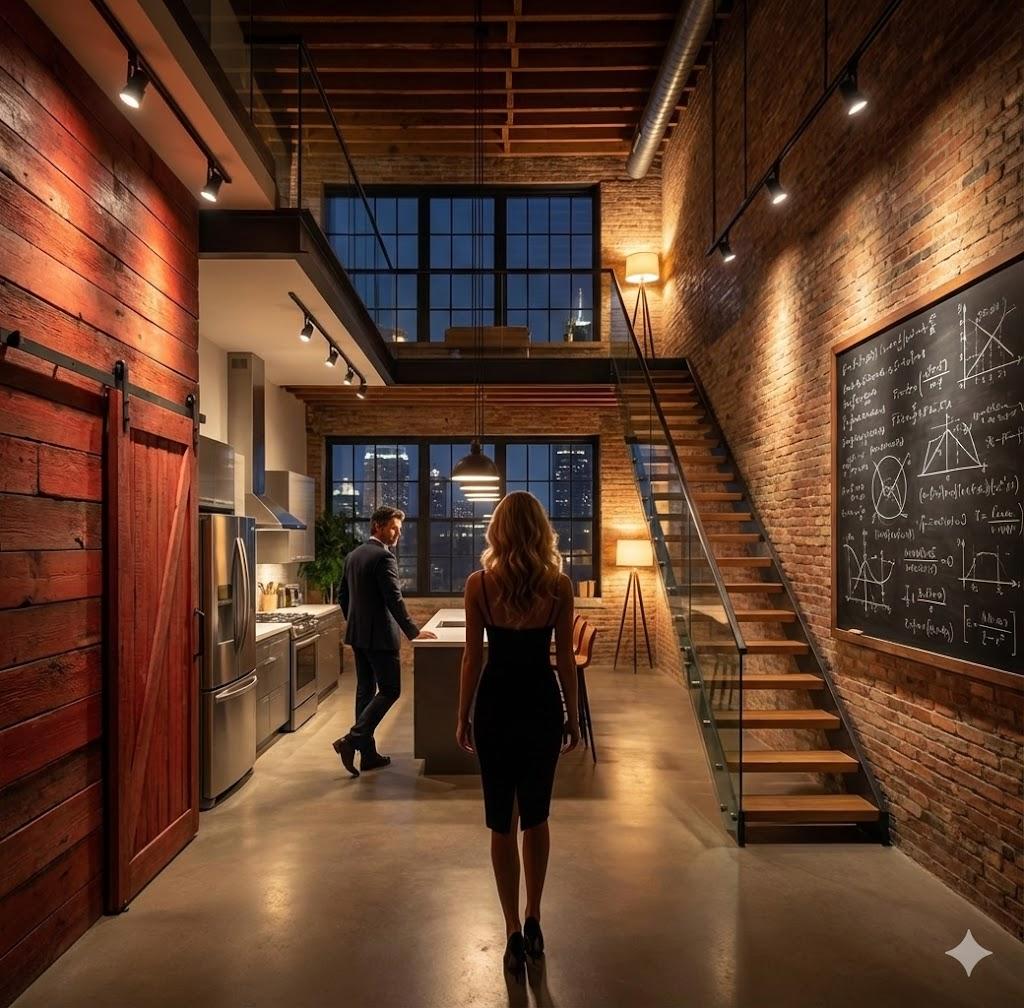
She stood in the doorway of my loft, taking it all in.
The red barn wood walls. The exposed Chicago brick. The mathematical equations still scrawled across the chalkboard from a problem I'd been working on three weeks ago.
Most women saw the modern kitchen, the glass banister, the obvious markers of success. They saw what I wanted them to see.
But she looked at the chalkboard.
"You're not just a pretty face, are you?" she said.
"Neither are you."
She walked in slowly, her fingers trailing across surfaces like she was reading braille. Learning me through texture and space.
"This is your sanctuary," she said. Not a question.
"It is."
She turned to look at me then, really look, and I felt something I hadn't felt in years.
Seen.
Not the version I projected. Not the carefully curated reflection.
Me.
And I wasn't sure if that terrified me or thrilled me.
Maybe both.
"AWAKENINGS"
And with waking came the flood — a torrent of memories.
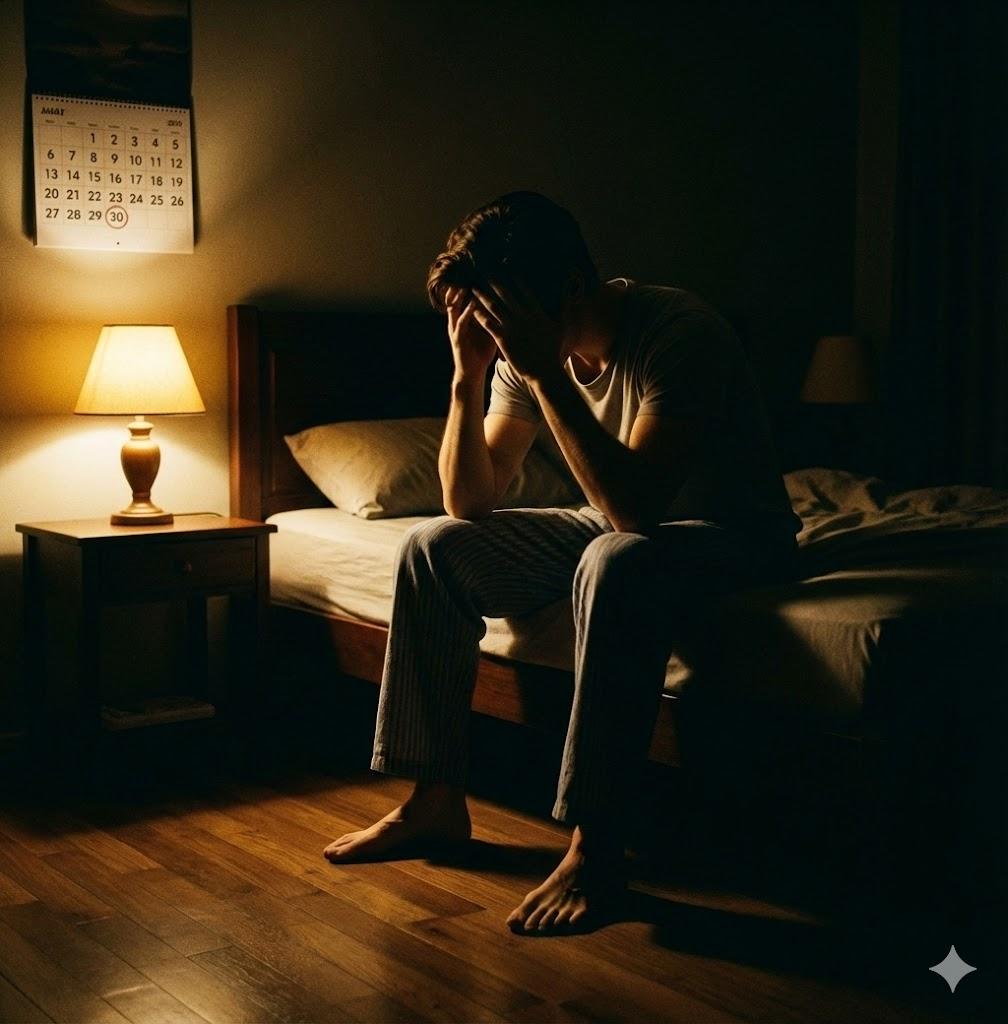
I went to bed the night before my thirtieth birthday. Thinking.
Thinking about my past.
About my present.
About my future.
The lamp cast a warm glow across the hardwood floor, shadows stretching like the years I'd already lived. I sat on the edge of the bed, head in hands, feeling the weight of three decades pressing down on me.
What had I accomplished? What had I wasted? What remained?
The questions circled like vultures, patient and inevitable.

I awoke. And with waking came the flood — a torrent of memories, fragments of lives I had lived, or thought I had lived, only to confront the singular truth: we have but one. One life, and yet within it, infinite selves.
Childhood photographs. Women's faces. City lights. Mathematical equations scrawled on chalkboards. All of it flooding consciousness in a dreamlike deluge.
As the weight of these recollections settled, I felt something extraordinary. Not fragmentation, but unity. All the broken shards of my soul, all the tangled threads of my being, wove themselves into a tapestry — a self I could finally recognize.
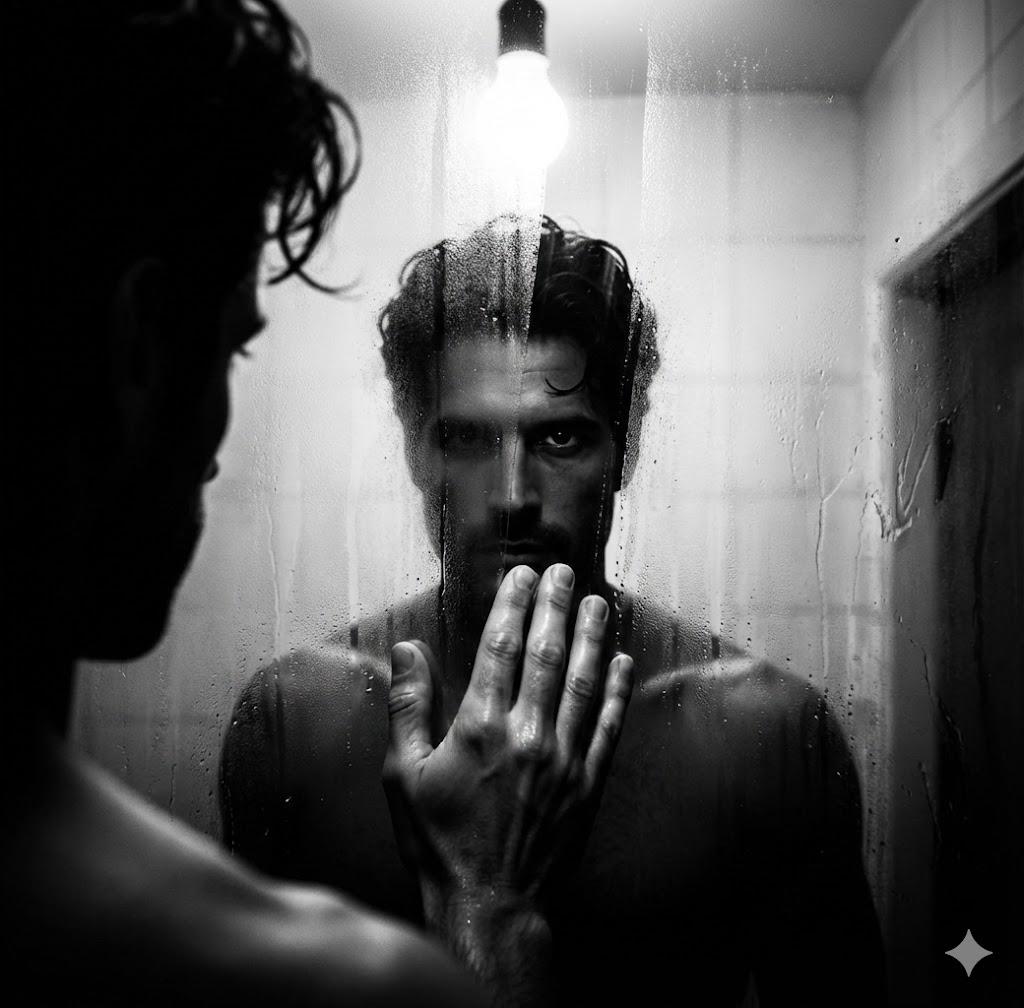
A Narcissist.
Yes, that is what I am. To speak it aloud was not an indictment but a liberation. The prison bars of societal expectation, the heavy chains of needing to be seen, to be validated — they fell away as though they'd never been. And in their absence, I could finally breathe.
I stood naked before the mirror, steam from the shower still clinging to the glass. I wiped a clear streak through the condensation and stared at my own reflection.
Not as others saw me, but as I was. Unmasked. Unafraid.
I had shed the skins of a thousand facades, each one painstakingly crafted to be adored, admired, envied. Masks that fed on applause but left me hollow.
And for the first time, I embraced what I saw.
I am a narcissist.
And I am finally free.
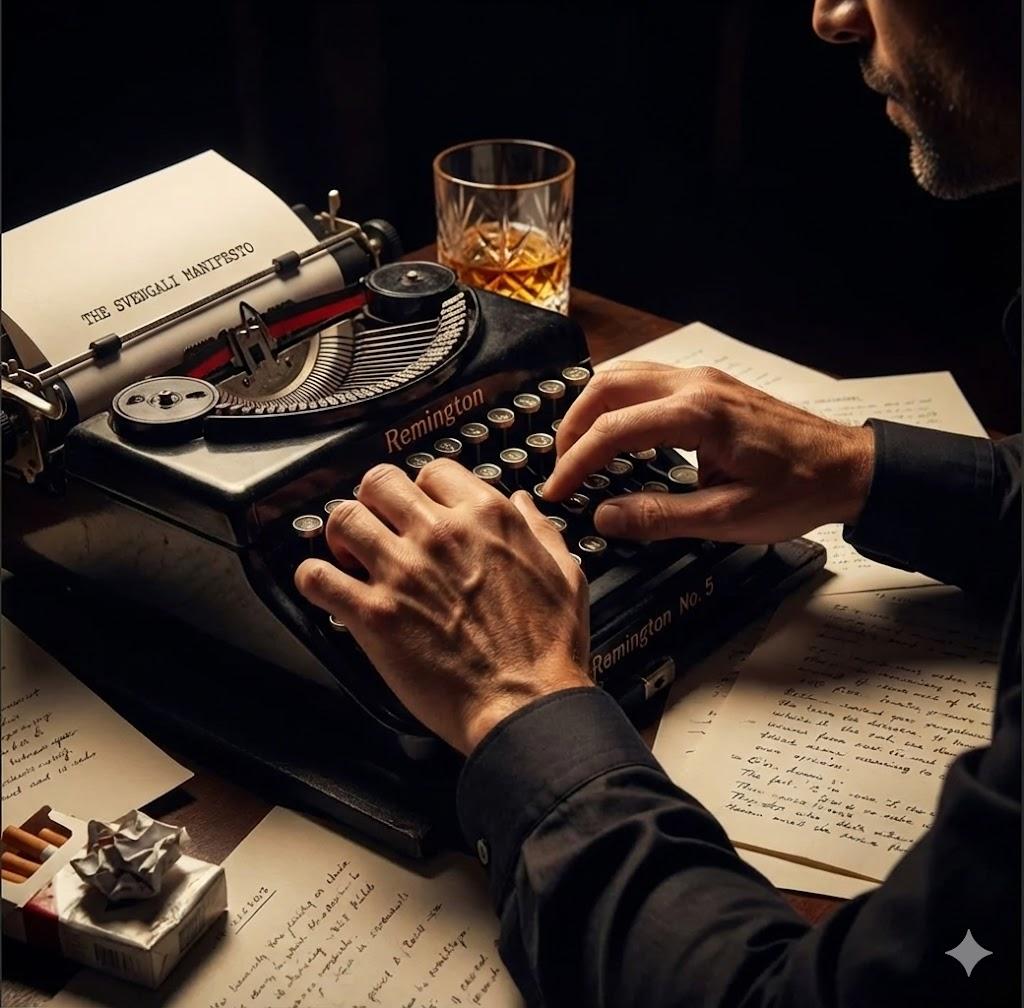
The words spilled from my mind onto the page, an unrelenting torrent of raw intention.
My fingers found the keys of the old typewriter — a relic I'd kept for moments exactly like this. The whiskey caught the light, amber liquid glowing like liquid courage. Scattered papers surrounded me, handwritten notes and false starts, the debris of revelation.
They flowed like an untamed river, unshackled by the confines of societal expectation, unburdened by the weight of conformity. And from that current, The Svengali Manifesto emerged — a declaration of my unapologetic self-worship, a hymn to the glorious altar of ego.
With every word, I felt the surge of my own self-love coursing through me — a fire that neither doubt nor fear could extinguish. I was not merely writing; I was forging. Each sentence was a blade, each paragraph a weapon.
This was my truth.
I was the master of my fate, the conductor of my symphony.
I was Svengali — not a manipulator of others, but the puppeteer of my own existence.
"THE MANIFESTO"
I am the director, the architect, the auteur.
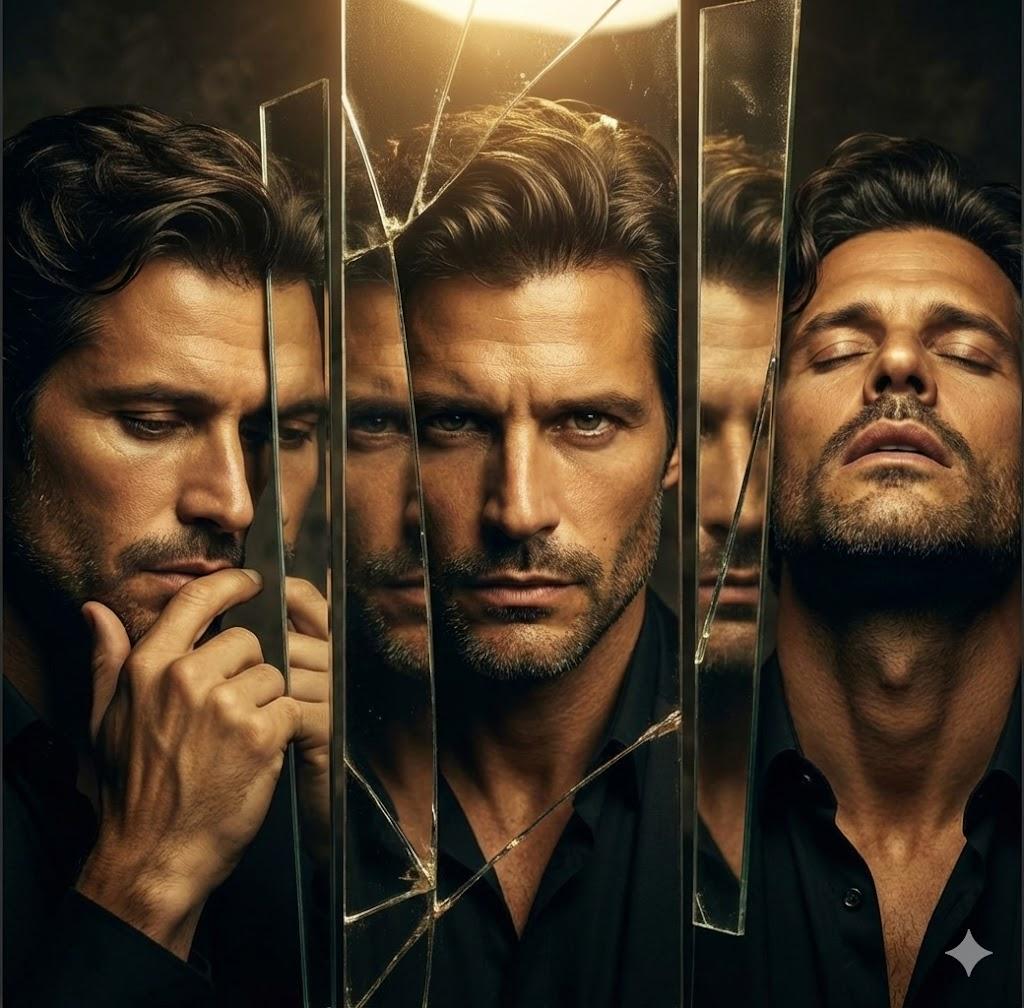
Who am I?
What do I want?
What do I need?
I ask myself these questions as if the answers lie just out of reach, dangling between clarity and chaos. Am I sane? Or am I teetering on that razor-thin edge between genius and madness? Between imagination and creation? Between illusion and delirium?
I see my face fragmented in three panels — contemplation, desire, need — mirrors and glass creating infinite reflections of a man still searching.
Why this delusion — if I dare to call it that? Perhaps it stems from a truth I have yet to fully grasp: that I do not truly know myself.
Who do I want to be?
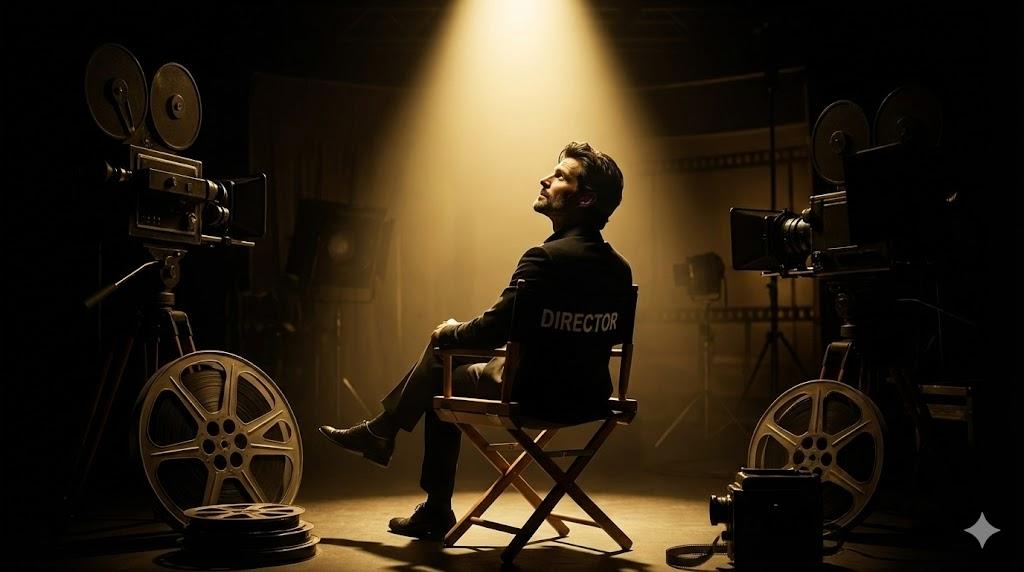
This is my movie, my masterpiece. I am the director, the architect, the auteur.
I sit in the director's chair, spotlight illuminating me from above like a god on his stage. Film reels and equipment lurk in the shadows around me — props for a life I'm determined to orchestrate.
The camera lens pans to me: Svengali. A poet. A hypnotist. A polymath. A man who knows what it is to love, to hate, to lose, to win.
I am Svengali. And this is my manifesto.
The rules I live by. The code that defines me. Not restrictions, but liberation — a framework for mastery over the self and, by extension, the world around me.
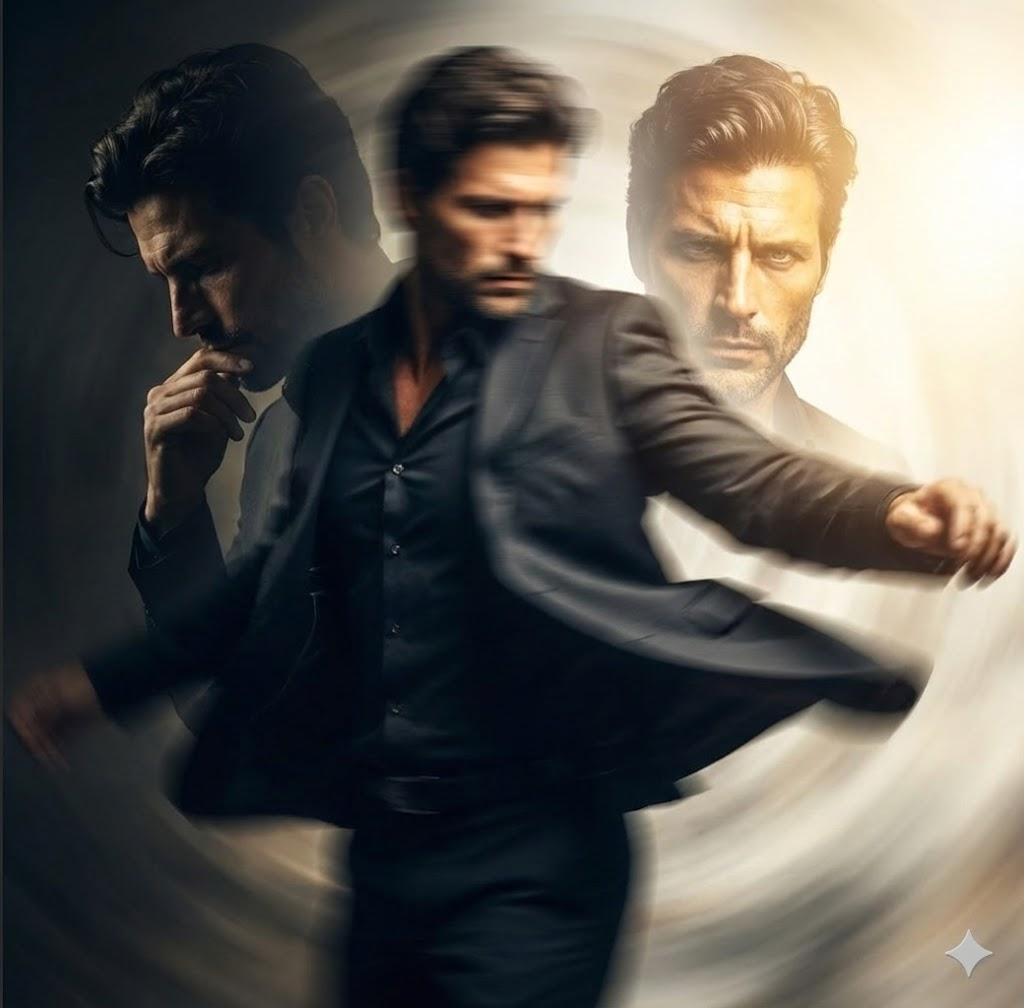
I am transformed. I feel the power of self coursing through me like electricity.
The suit jacket swirls as I turn, caught in that moment between who I was and who I'm becoming. Before and after. Shadow and light. The metamorphosis is not metaphorical — it is visceral, tangible, real.
I am no longer the man who questioned.
I am the man who answers.
Every movement is deliberate now. Every gesture calculated. Not to deceive others, but to remind myself of the truth I've uncovered:
We are all performances. The question is whether we're performing for an audience or for ourselves.
I choose myself.
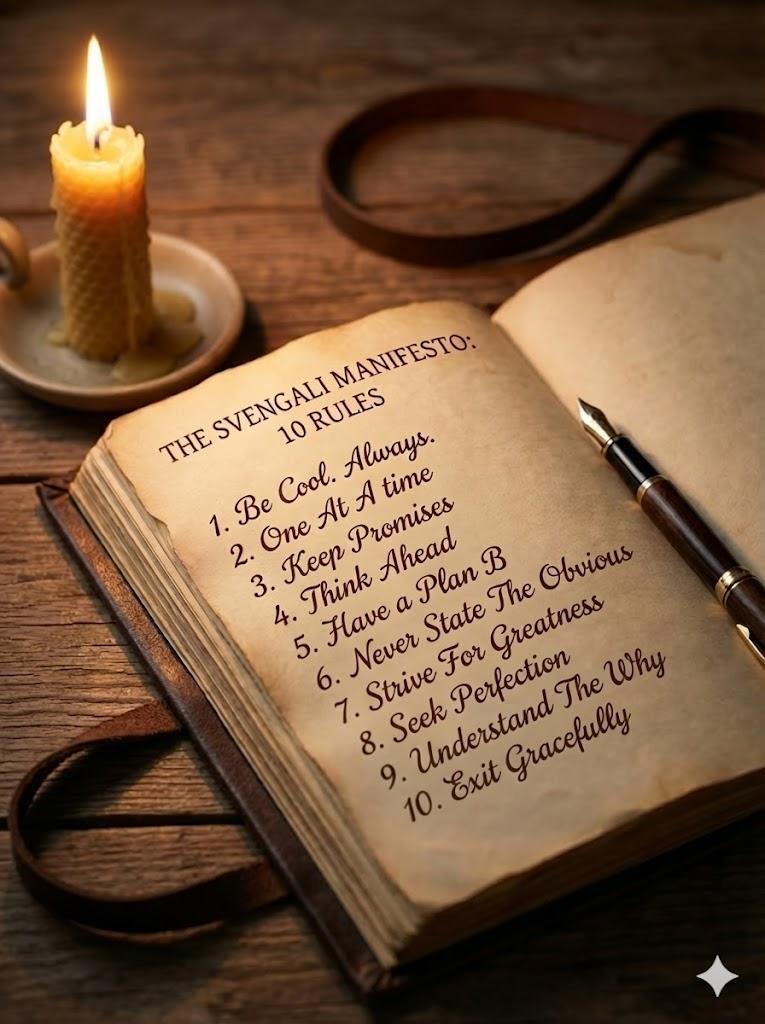
The leather journal lies open before me, pages filled with elegant handwriting. The fountain pen rests beside it, candlelight casting a warm glow across the words.
The weight of doctrine. The rules that will govern my existence.
Rule One: BE COOL. Always. Svengali is not an asshole. Svengali is class.
I read them aloud, letting each one settle into my bones.
One woman at a time. Keep promises. Think ahead. Have a Plan B. Never state the obvious. Strive for greatness. Seek perfection. Understand the why. Exit gracefully.
Ten commandments for a man who refuses to worship anyone but himself.
And yet, reading them now, I wonder: Are these rules meant to set me free?
Or are they the bars of a cage I'm building around myself?
THE RULES
BE COOL.
Always. Svengali is not an asshole. Svengali is class. Cool -> Svengali -> Cool.
ONE WOMAN AT A TIME.
Chaos lacks elegance.
KEEP PROMISES.
If you can't keep one, don't make it.
THINK AHEAD.
Always five moves ahead. Anticipate, adapt, and evolve.
HAVE A PLAN B.
No exceptions.
NEVER STATE THE OBVIOUS.
Wit and subtlety win the game.
STRIVE FOR GREATNESS.
Accept nothing less.
SEEK PERFECTION.
In thought, action, and presence.
UNDERSTAND THE WHY.
Second-guess everything; seek the truth beneath the surface.
EXIT GRACEFULLY.
Never make her feel lesser. Leave her intact, not broken.
"ANTECEDENTS"
I see the world for what it is: a stage.

I have always known what I was doing. Every choice — right or wrong — was mine, deliberate and unquestioned. No one pushed me, no unseen hand guided me. I acted because I wanted to, and I have never needed permission to indulge my desires.
I see the world for what it is: a stage where most sleepwalk through their roles, unconscious, obedient, convinced they are in control. But they are not. They wander toward a future someone else designed for them, unaware they were never the architect of their own existence.
I stand alert and awake in a crowd of blurred figures, their movements captured in the long exposure of my memory. Puppet strings visible only to me. Miami's cityscape stretches behind us all, but only I see it clearly.
I refuse to live like that.
I refuse to be blind.
To awaken, one must first master the mind.
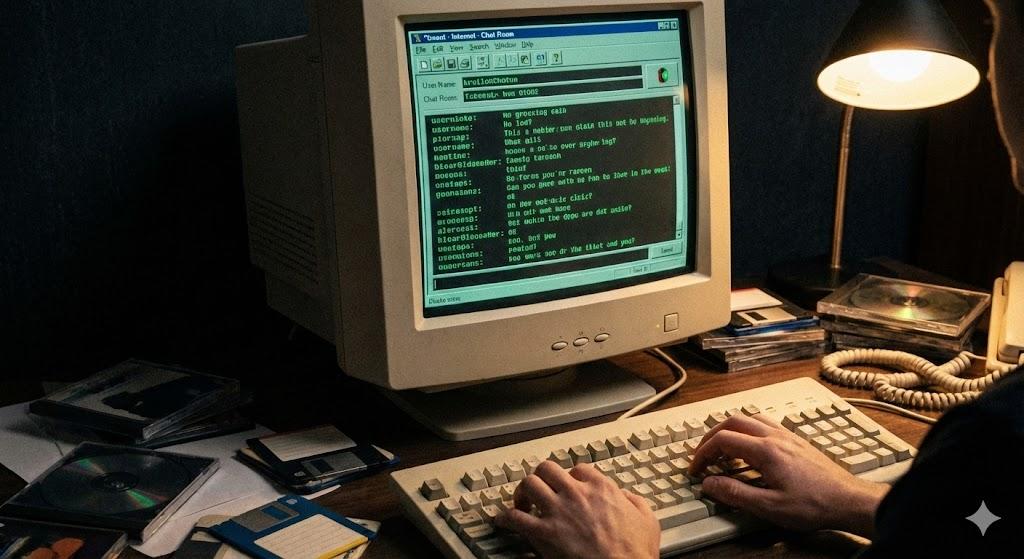
Fifteen years old.
The CRT monitor glowed green in the darkness of my bedroom, casting an eerie light across my face. AOL. IRC. The early internet — that wild frontier where identity was fluid and manipulation was currency.
I learned quickly that in chat rooms, no one knew who you were. You could be anyone. A college student. A businessman. A woman.
I became all of them.
It started as curiosity — how far could I push a conversation? How easily could I make someone believe something that wasn't true? How quickly could I make them trust me?
The answer: frighteningly easy.
By sixteen, I had perfected the art of digital seduction. I understood that people didn't want truth — they wanted to believe. They wanted connection so badly they'd ignore every red flag, every inconsistency, every warning their instincts screamed at them.
The chat room was my laboratory.
And I was a very dedicated scientist.
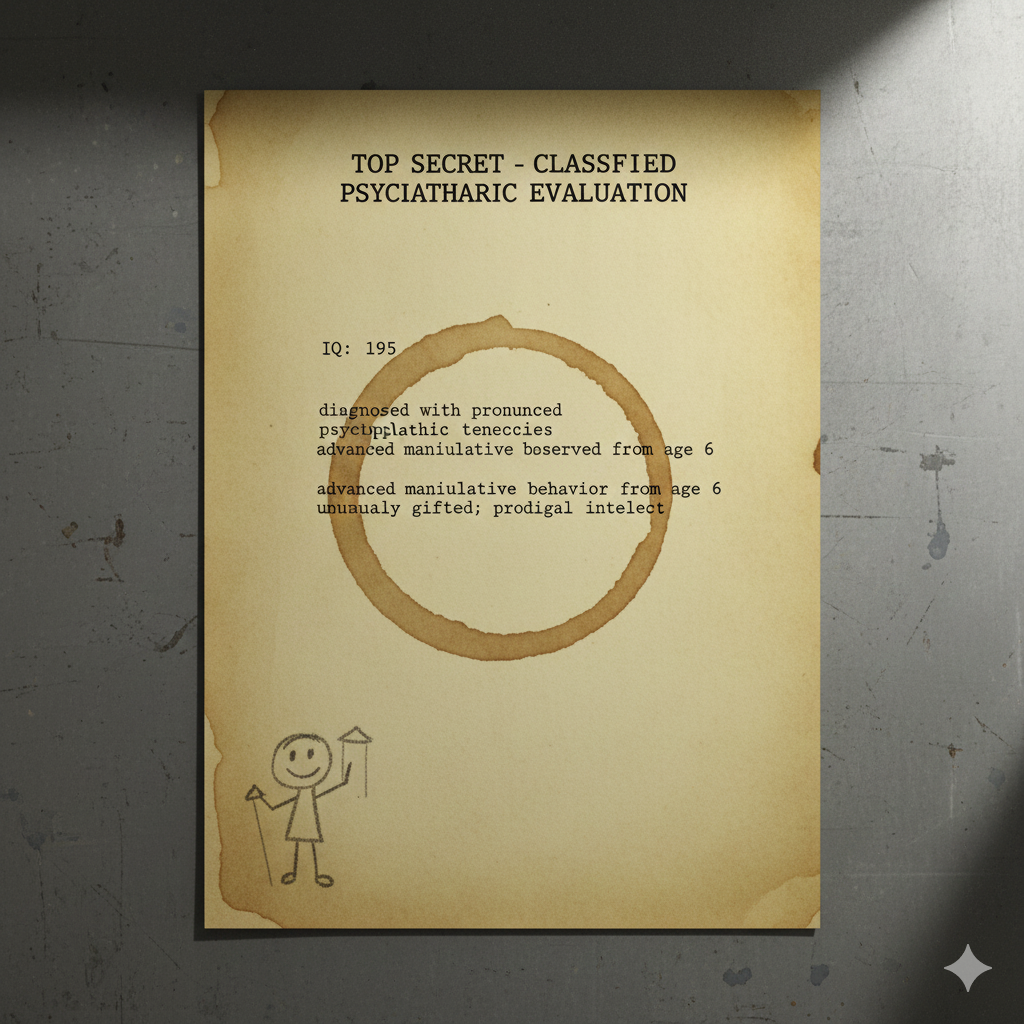
At four years old, they labeled me:
Psychopathic.
Manipulative.
Gifted.
The clinical documents still exist somewhere — typed text on yellowed paper. "IQ: 195." "Psychopathic tendencies." A child's drawing attached, unsettling in its precocity.
My mind was a machine that processed the world in ways most people couldn't even comprehend. By high school, I was a mathematical prodigy. By college, I had mastered language, winning literary awards for stories I didn't even have to try to write.
But numbers and words were just another arena to conquer.
The real challenge was people.

If I were a car, I would be a Porsche 911 Carrera.
Sleek. Powerful. Dangerously beautiful. The kind of machine that turns heads not because it's trying to, but because it can't help it.
I think about this as I drive through Miami at night, the skyline reflecting in the hood like a city of lights I've already conquered. The wet streets mirror everything — the streetlamps, the palm trees, my own silhouette behind the windshield.
Sophistication and danger. That's what this car represents. That's what I represent.
Not a Ferrari — too obvious, too desperate for attention.
Not a Mercedes — too safe, too concerned with comfort.
A Porsche. Because a Porsche doesn't care if you're watching.
A Porsche knows its own worth.
And so do I.
"SIXTY"
Ninety days. Like a trial period.
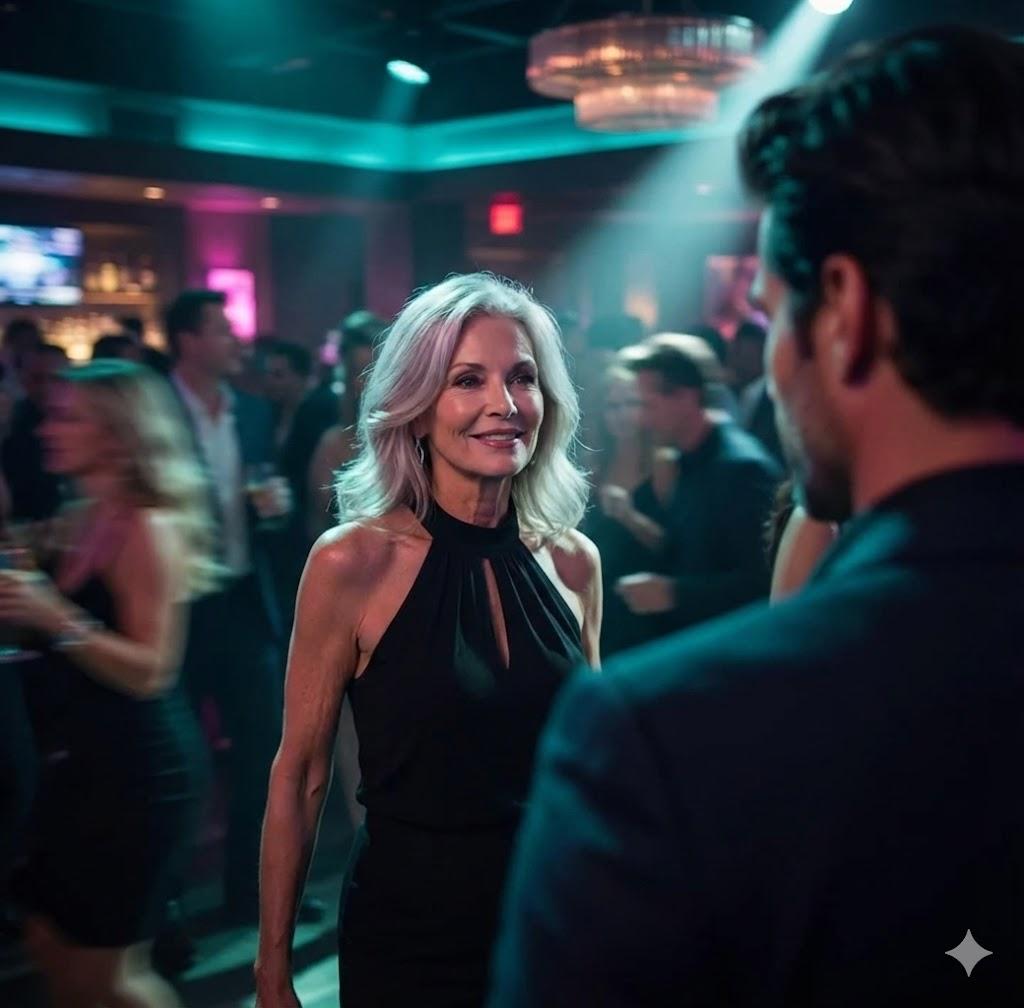
Miami is a hunting ground, and I have studied the terrain well. There are places where the air is thick with possibility, where women sip expensive cocktails and wait for the night to unfold.
Blue Martini Kendall. A dimly lit bar pulsing with Latin rhythms, where older women dance in heels that make them feel young again.
I know this place well.
And that is where I found her.
She was dancing. A 5'4" woman in dark jeans and a halter top, the kind of effortless confidence that makes men stare. Teal and magenta lights played across the crowd, but my focus was sharp on her alone.
Our eyes met, and in that instant, we spoke without words. A telepathic exchange of intentions.
We were already together in our minds.
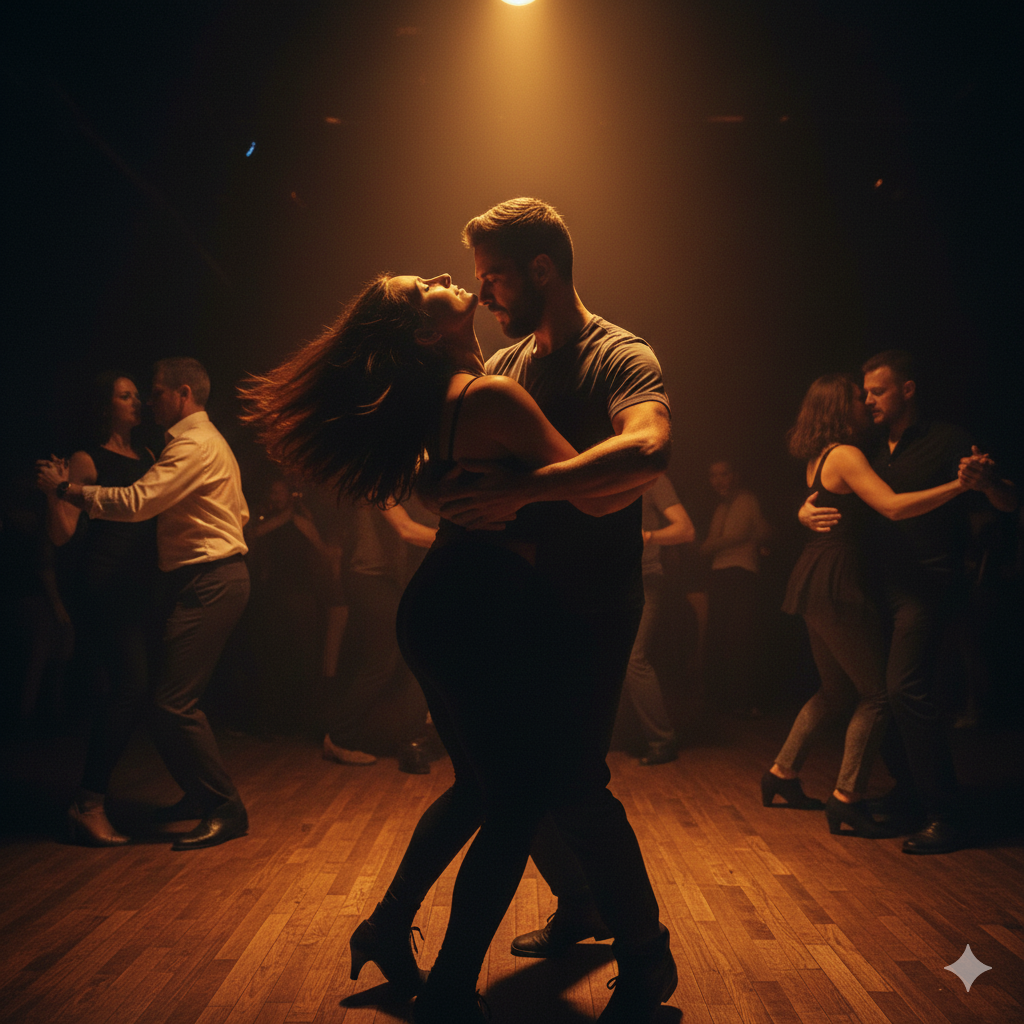
Dancing is a form of foreplay.
"Llorarás" played through the speakers as I took her hand. Bodies in sync, movements in perfect rhythm. A push, a pull, the delicate exchange of control.
Sweat glistening under the warm spotlight. Her body pressing against mine in just the right way. Motion blur on the spinning, but our faces remained sharp, locked in silent conversation.
"I'm Svengali," I said, slipping my name into the moment.
"I'm Paulina," she replied.
The name shook me.
She was sixty-one years old.
Three years younger than my mother.
I paused, but only for a second. Age is just a number. And tonight, I wanted an experience.
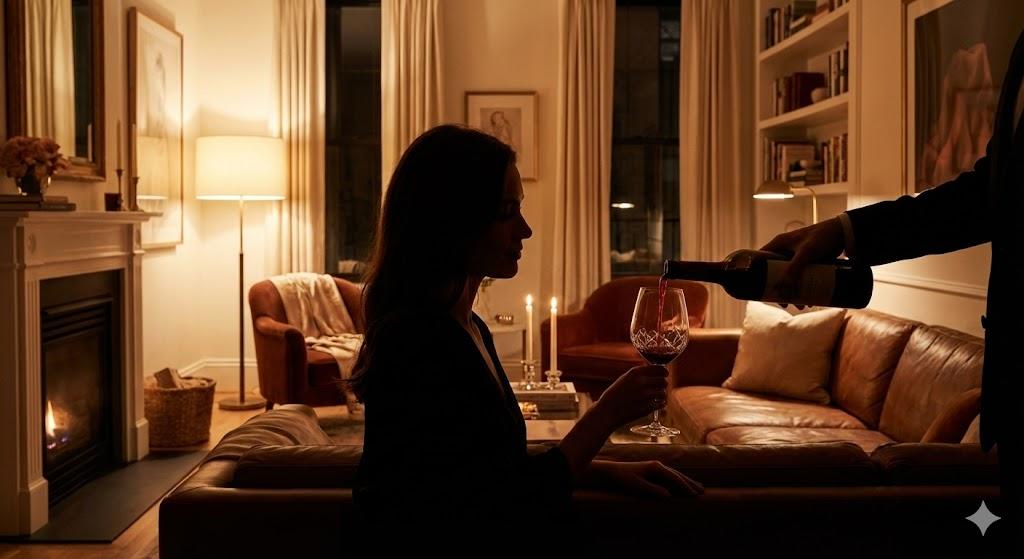
Her townhouse in Kendall was exactly what I expected.
Elegant. Feminine. The accumulated taste of a woman who had spent decades perfecting her space. Wine poured into crystal glasses, the soft lamp lighting casting everything in warm amber.
We sat on the leather couch, close but not touching. The anticipation before the act is always the most intoxicating part.
"You're different," she said, studying me over the rim of her glass. "Most men your age wouldn't look twice at a woman like me."
"Most men my age don't know what they're missing."
She smiled — not the coy smile of a young woman playing games, but the knowing smile of someone who understood exactly what was happening.
And what was about to happen.
Ninety days. Like a trial period. That's how long I gave each relationship. Long enough to matter. Short enough to leave.

We saw each other for two more months.
And then, the inevitable.
Morning light filtered through her curtains as she lay beside me, her face soft with post-coital vulnerability. I watched her lips part, watched the words form before she even spoke them.
"I want more," she said.
I knew what was coming before she even spoke the words.
"I love you."
Tears glistened in her eyes — not of sadness, but of surrender. The moment of capitulation. The hunter's prize.
I exhaled.
I had done it again.
The game was beautiful. The game was terrible. The game was everything I knew how to do.
And I was very, very good at it.
"THE POLE DANCE"
With an F, not a PH.
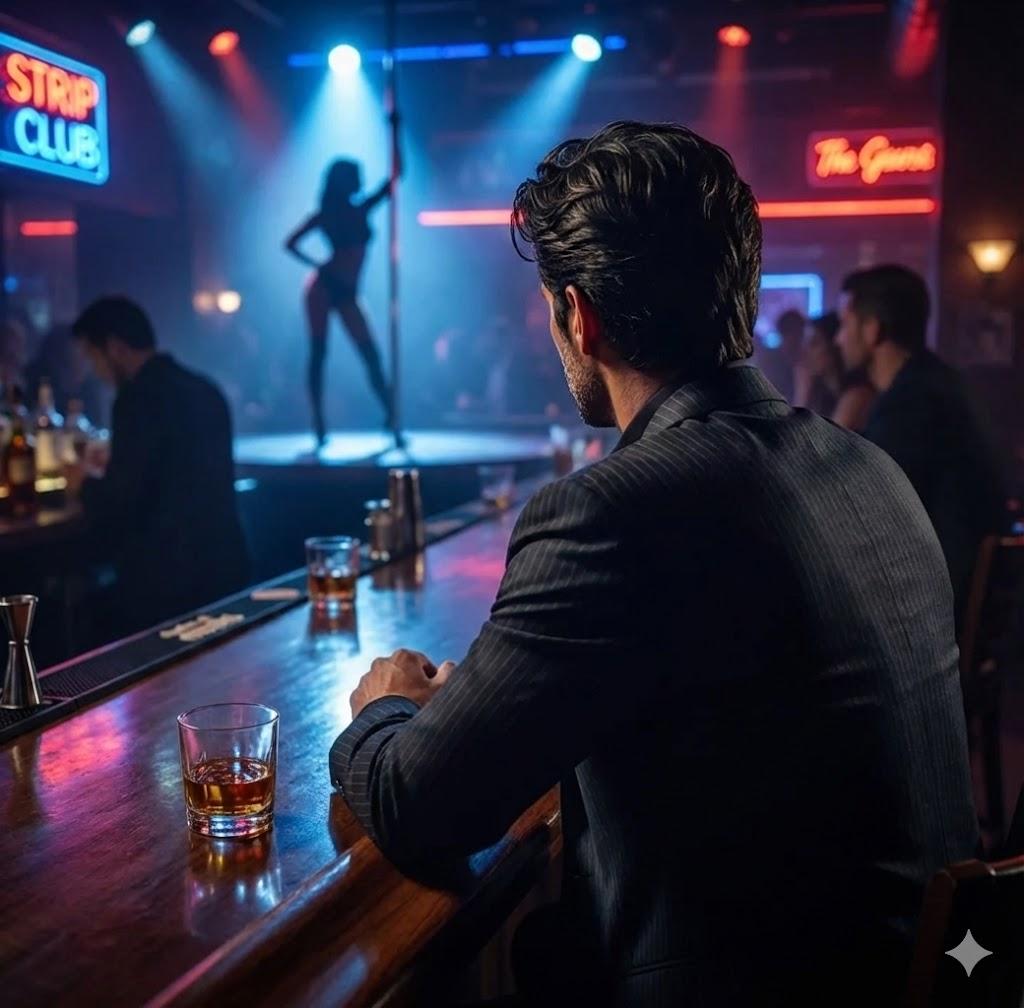
I took a slow sip of my whiskey, feeling the weight of the day settle into my bones.
It had been a long one — meetings, pitches, deals, a parade of faces I pretended to care about. Feigned interest was part of the game. Smile, nod, sell.
But now, the workday was over, and I found myself exactly where I wanted to be — perched at the bar of a dimly lit strip club, my back to the camera of my own life, watching a distant stage where silhouettes moved like shadows of desire.
Neon reflections played across the polished wood bar. The loneliness of excess surrounded me like expensive cologne.
The irony wasn't lost on me.
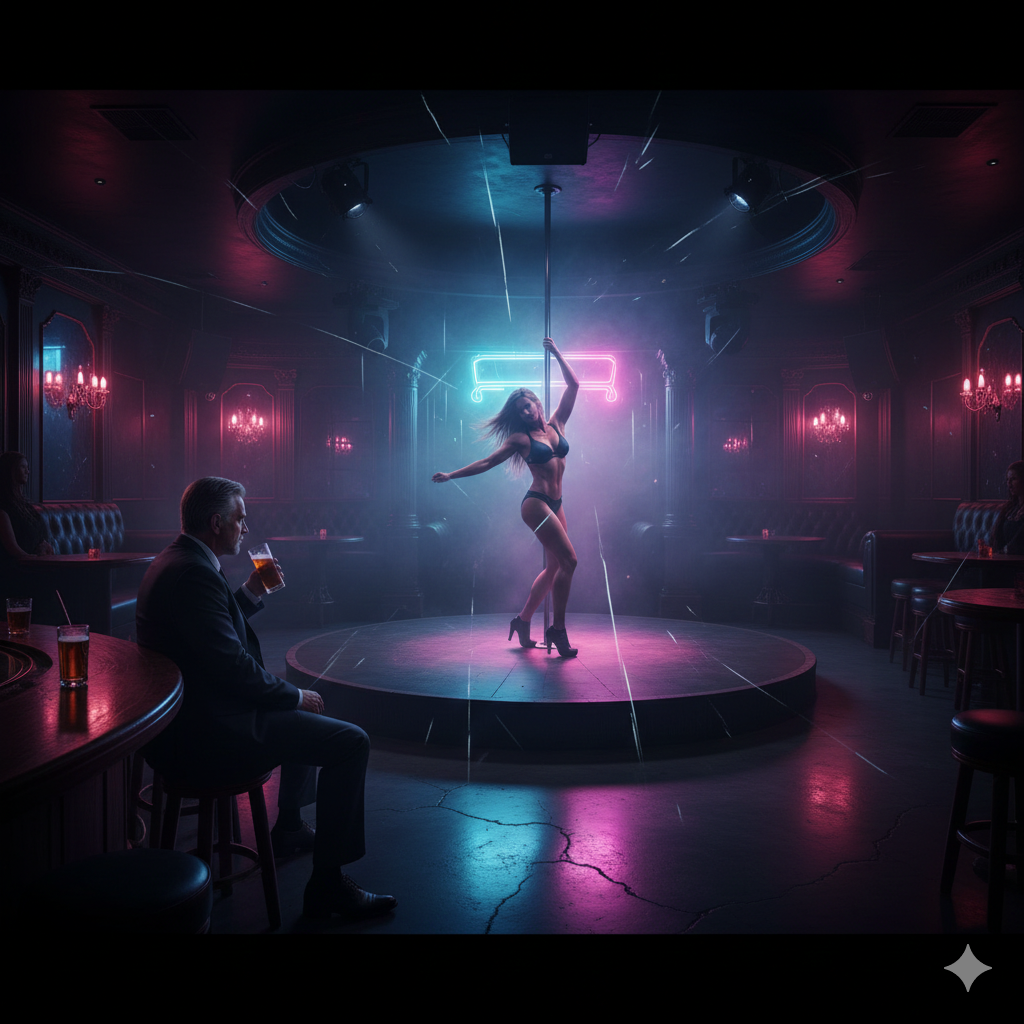
Her name was Melania. Russian. Mid-twenties. Tattoos crawling up her ribcage like secrets she'd stopped trying to hide.
She spun on the pole with athletic grace — not the desperate gyrations of a woman working for tips, but the confident movements of someone who had made peace with her choices.
Magenta and blue stage lights painted her in shades of fantasy. Motion blur on the spinning, but her face remained sharp, focused, present.
I watched her the way I watch everyone: analytically. Cataloguing. Understanding.
She wasn't performing for the crowd.
She was performing for herself.
And that made her interesting.

"You from Miami?" the bartender asked, brushing a strand of blonde hair from her face.
She leaned on the bar with the casual confidence of someone who'd heard every line and wasn't impressed by any of them. Low-cut top. Eyes that had seen too much to be surprised by anything.
I nodded. "Yeah."
She smiled. "I've never been, but I bet it's beautiful."
"It's not for everyone," I said, finishing my drink.
"I'm Svengali, by the way."
She smirked, something flickering behind her eyes. Recognition, maybe. Or just the practiced response of a woman who knew how to keep men talking.
"I'm Stefania. With an F, not a PH."
And just like that, another story began.

"Come back to Miami with me."
The words hung in the air between us, an invitation wrapped in challenge. She stood at the threshold — strip club on one side, cool tones and familiar routine; Miami on the other, golden and unknown.
"Spend the weekend," I continued. "See if the city lives up to the hype."
She studied me, weighing the offer. The decision point. The before and after.
I could see her calculating — the risk, the reward, the story she'd tell herself later about this moment.
"You always invite strangers to your city?" she asked.
"Only the interesting ones."
She laughed — that same sharp, knowing laugh I'd come to recognize as surrender disguised as resistance.
"Fine," she said. "But I'm not promising anything."
"Neither am I."
That was the beauty of it. The game within the game. The dance before the dance.
We both knew exactly what we were doing.
And we did it anyway.
"THE MIRROR"
$200 an hour to talk to an old woman.
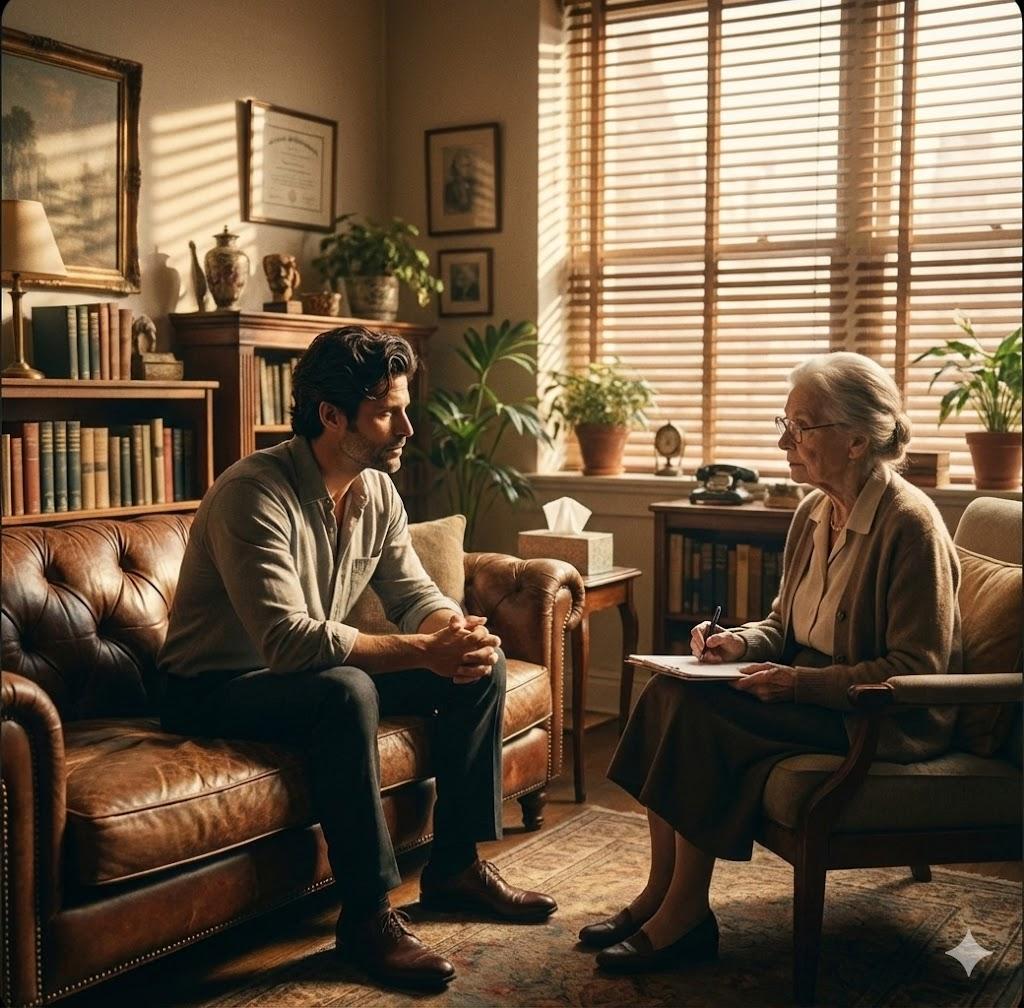
"Have you been to therapy before?"
The question hung in the air between us.
I studied her — Dr. Susan Hayden, therapist, seventy years old, tired eyes behind wire-rimmed glasses. A woman who had spent a lifetime listening to the problems of strangers.
I leaned back into the old leather couch. Its worn creases told stories of every other broken soul that had sat there before me. Afternoon light filtered through the blinds, casting striped shadows across the room like the bars of a confessional.
"No," I said. "Therapy isn't for me."
She didn't push back. Just a slow nod.
"Why do you say that? Do you think therapy can't help?"
I let out a short laugh.
"I don't know if therapy would help or just confuse me more."
Two hundred dollars an hour to talk to an old woman. And yet, here I was.
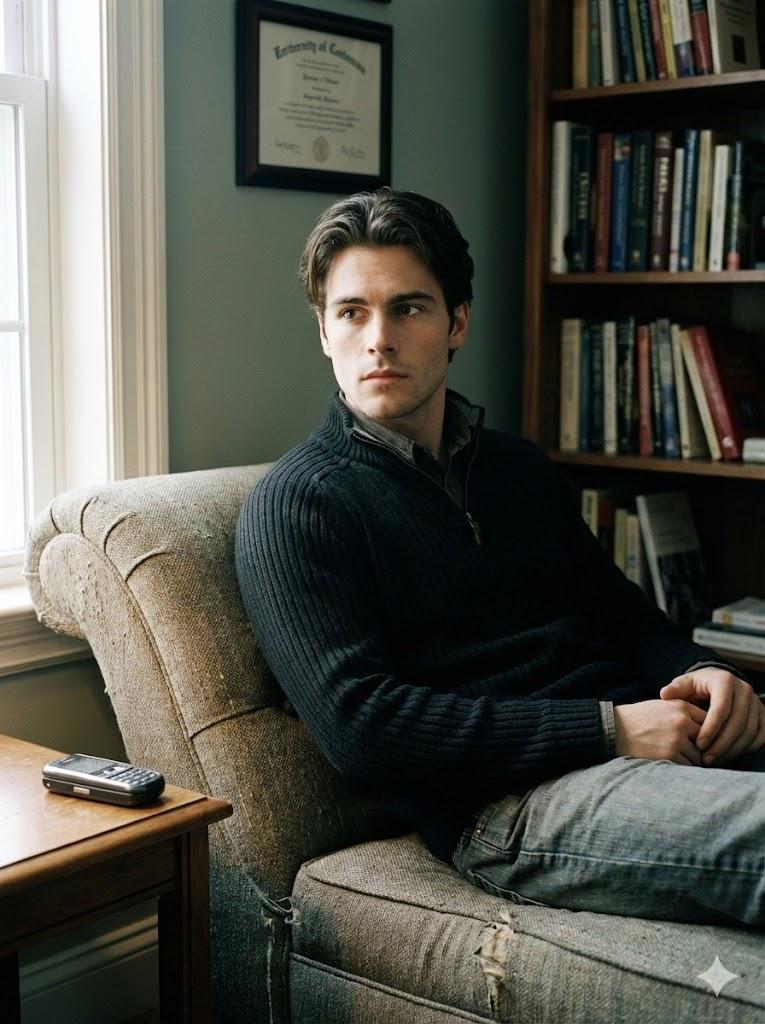
I was twenty-two when I first walked into that office.
Fresh out of college. Intelligent eyes that couldn't hide the searching beneath the confidence. A young man who had all the answers and none of the peace.
"Tell me about yourself," she'd said that first day.
Where do you even begin? How do you explain a mind that processes the world differently? How do you describe the distance between yourself and everyone else — that unbridgeable gap that makes you feel like an observer in your own life?
I sat in the therapy couch position, vintage clothes marking me as a product of the early 2000s, and I tried to find the words.
"I'm here because I think something might be wrong with me," I said.
"What makes you think that?"
"Because I don't feel things the way other people do. And I'm not sure if that's a gift or a curse."
"How old were you when you lost your virginity?"
The conversation had shifted — from my mind to my body.
I smirked.
"Eighteen."
A flicker of interest in her eyes. She had expected something different.
"And how old was she?"
The air in the room changed.
"Thirty-seven."
She didn't react. No shock. No judgment. Just another note scribbled onto her pad.
"She was my best friend's mother."
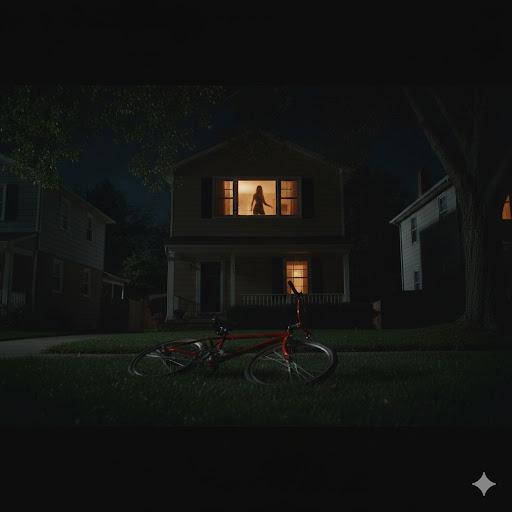
I could still see it — the suburban home, the golden hour light through the windows. My hand reaching toward her silhouette in the doorway. The forbidden made tangible.
"How many times did it happen?"
"Six."
"Did you feel guilt?"
I hesitated.
"No. I felt like I had won."
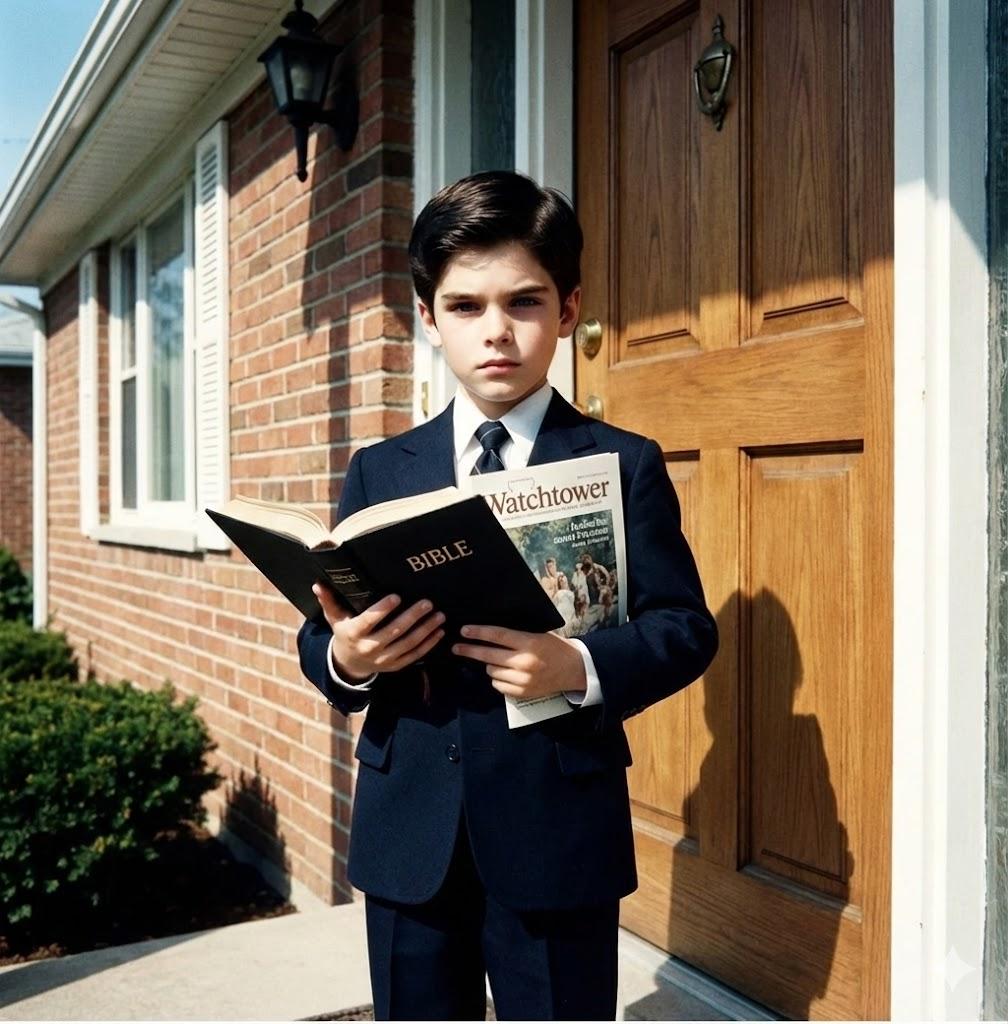
"Tell me about your childhood," Dr. Hayden said. "Your family. Your upbringing."
I closed my eyes and saw myself: a young boy in a suit and tie, Bible clutched in small hands, standing on a stranger's doorstep.
"I was raised a Jehovah's Witness."
The words felt strange in my mouth, like a language I'd once spoken fluently but had since forgotten.
"Door to door. Every Saturday. Learning to speak to adults before I understood what I was saying. Learning to persuade before I knew what persuasion meant."
The uniform of indoctrination. Bright daylight that somehow felt dark. Innocence weaponized into something useful.
"That's where I learned it," I continued. "The art of making someone believe. The power of conviction — real or performed."
"And do you still believe?"
I opened my eyes and looked at her.
"I believe in the lesson, not the doctrine. I believe that faith is just another word for manipulation. And I believe that the greatest trick anyone ever pulled was convincing others that they needed saving."
She wrote something on her pad.
I wondered if she knew she was looking at the product of that education.
A boy trained to convert.
A man who had simply... changed the product.
"A WORLD WITHOUT CONSEQUENCES"
Words were my weapons.
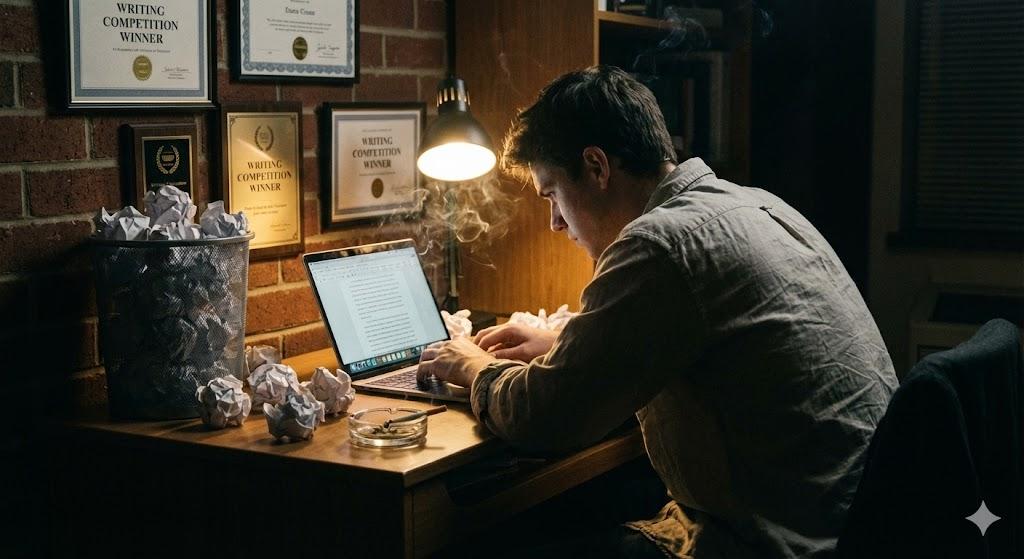
By twenty-one, I had mastered the written word.
Late nights at my desk, surrounded by crumpled papers and the glow of a laptop screen. Awards and certificates on the wall — proof that my particular brand of darkness had found an audience. Cigarette smoke curling toward the ceiling like prayers from a man who didn't believe in God.
But persuasion — whether spoken or written — was never about simply making a point. It was about control. It was about taking someone's thoughts and reshaping them, molding them like clay until they saw the world the way I wanted them to see it.
It wasn't enough to manipulate people in conversation — I wanted to do it on the page, to bend language to my will, to craft entire worlds where I could control not just the characters, but the reader's very perception of reality.
Words were my weapons, and I wielded them with precision.
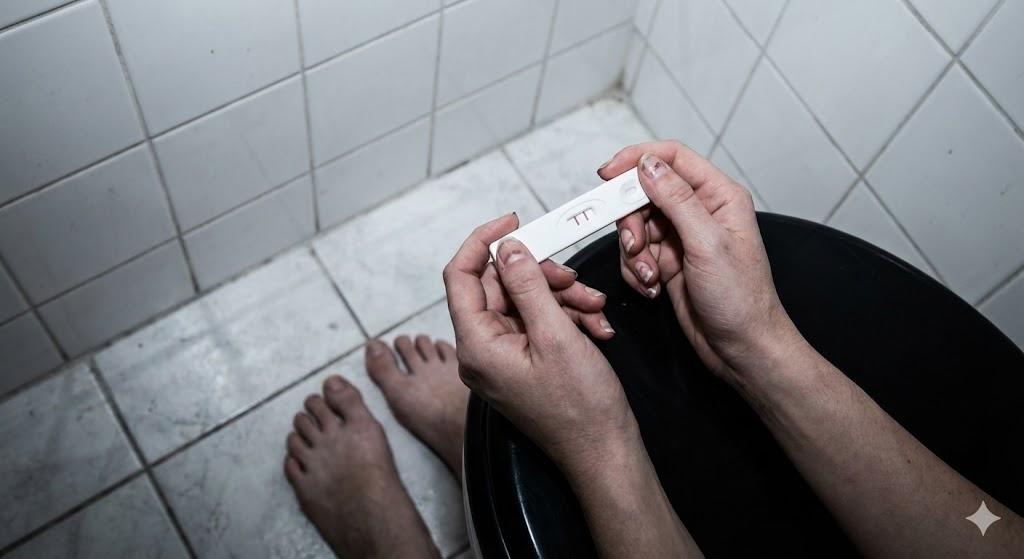
She sat on the black toilet seat, motionless.
Her fingers trembled as she clutched the pregnancy test, the tiny screen screaming the truth she already knew. Two pink lines.
Abigail felt the weight of her entire life pressing down on her.
Her bank account was empty. Her career, on the verge of collapse. Her thirties, meant to be a decade of success, now threatened to be swallowed whole by one reckless night.
And Oswald.
What was he to her? A mistake? A friend? A moment of indulgence that had turned into something irreversible?
She remembered his words from that night, spoken between sips of whiskey and lazy cigarette smoke.
"Imagine a world without consequences," he had mused. "A world where you could do anything you wanted, and nothing would come back to haunt you. No regret. No repercussions. Just pure, unfiltered existence."
She had laughed at the time.
Now, sitting in the bathroom, she wished that world existed.
Because in this world, there were consequences.
And she had just met hers.

The phone rang at 7:40 PM.
Oswald didn't need to look at the screen to know it was Dr. Godman. The name alone was a cruel irony. God. Man. The bringer of divine punishment. The deliverer of human consequence.
"Oz, are you sitting down?"
His body tensed. A chill ran down his spine.
"What's going on, Doc? Everything okay with my cholesterol?"
There was a pause. Too long.
"Your white blood cell count is high. Your CD4 lymphocyte count is dangerously low. I ran an HIV test." Another pause. "It came back positive."
The room spun. Oswald felt the weight of every moment, every decision, every reckless night collapsing in on him.
He had been tested before. Always negative. Always safe.
But then, a memory. A night, eight months ago. A stranger in a hotel room. Skin against skin. No condom.
Oswald gripped the edge of his desk, reaching for a 25-year-old Macallan.
"This is a mistake," he whispered. "This isn't happening."
But it was. And this world had consequences.
The phone buzzed in his hand. Abigail calling.
Of course. Of course, it had to be tonight.
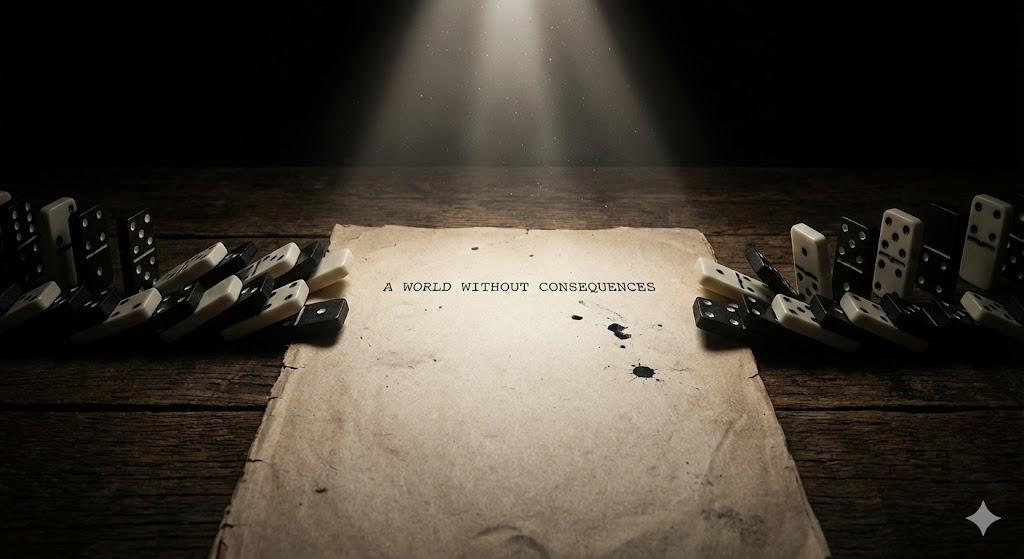
I finished the story in a single sitting. It poured out of me, like something that had been waiting in the shadows of my mind.
When I read it back, I realized what I had done.
Abigail and Oswald. A & O. The Alpha and the Omega. The Beginning and the End.
And Dr. Godman. God... Man. The bringer of judgment.
Their story was my story. A tale of people living under the illusion of control, only to be reminded that the world would always pull them back down to earth.
A world where actions had weight. Where choices had ripples. Where no one was free.
But what if it didn't have to be that way? What if consequences were an illusion?
I started looking at the world differently. I saw the people who thrived — the ones who took risks, who pushed boundaries, who ignored the rules. The ones who, somehow, never faced the consequences of their actions.
I wanted to be one of them.
Because if consequences were just a construct... Then maybe, just maybe... I could write my own reality.
And that was the moment the first seed of the Manifesto was planted.
"REFLECTIONS"
Every story should start at the beginning. But mine doesn't.
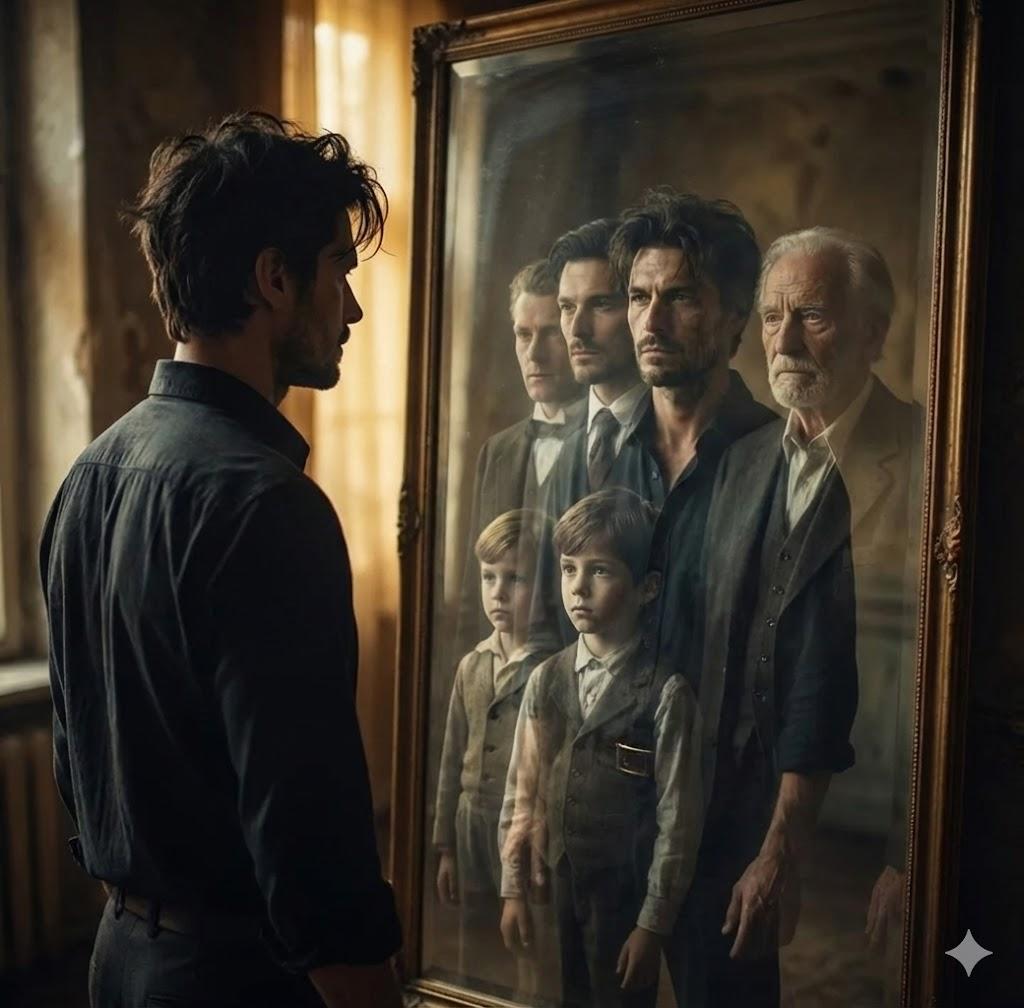
I stand before the mirror and see the ghost of a man who lived a thousand lives.
Multiple overlapping figures stare back at me — different ages, different versions. The infinite selves I have been. Long exposure composite of a fractured identity. Ghostly transparency where solid flesh should be.
Every story should start at the beginning. But mine doesn't.
Mine starts here, in this moment of reckoning. And works backward through the wreckage.
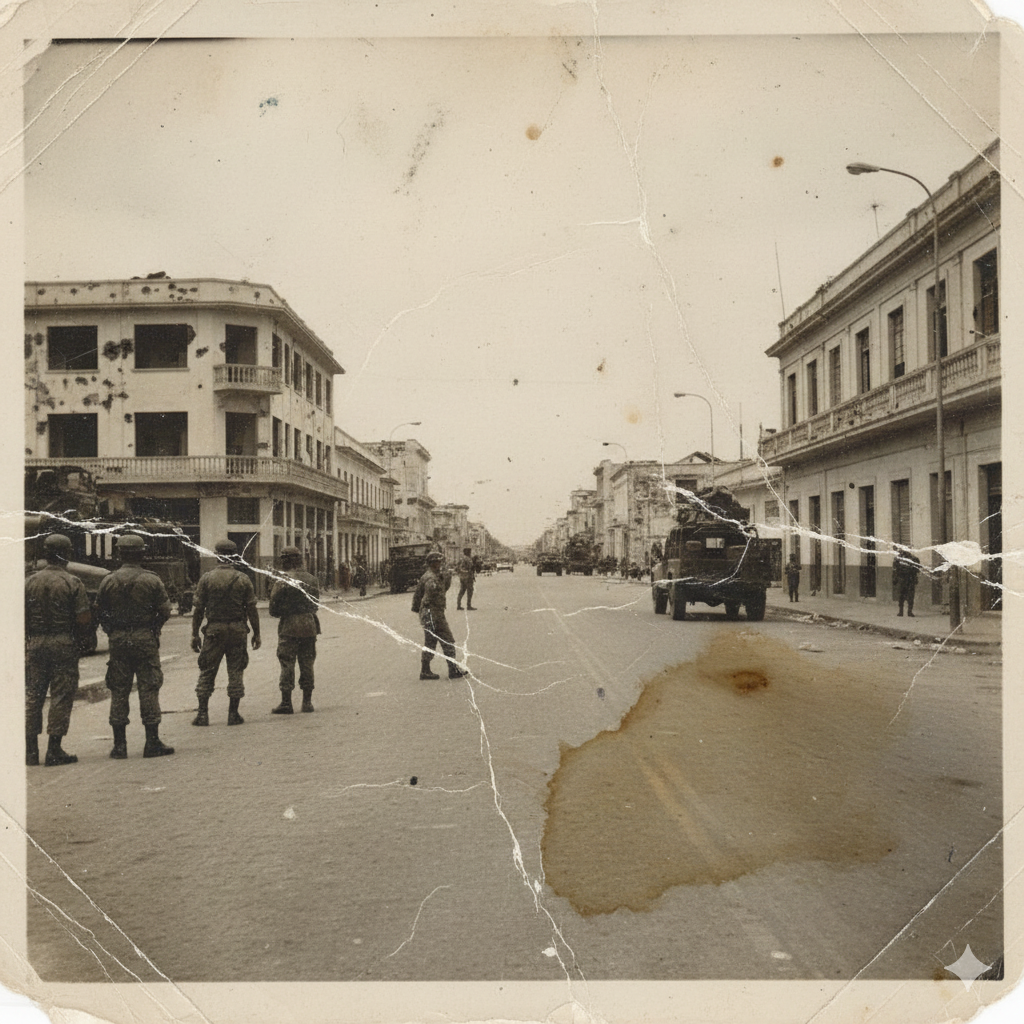
I think back to Nicaragua, where I was born.
The 1980s. War-torn streets. Military vehicles in the background of my childhood like props in someone else's story. A young boy — me — standing in the chaos with eyes too old for his face.
I was a precocious child — multiplying numbers before I was three, learning chess by the time I was four. My mind was always racing ahead, always calculating, always seeking patterns.
But the world I was born into was not one of privilege. Nicaragua was ravaged by war, divided between the Sandinistas and the Contras. Chaos and conflict were not concepts — they were the air we breathed.
At ten years old, I left for the United States, escaping not just poverty, but a home that was fracturing before my eyes.
The forge that made the man. That's what I tell myself now.
But forges don't just shape metal.
They burn away everything soft.
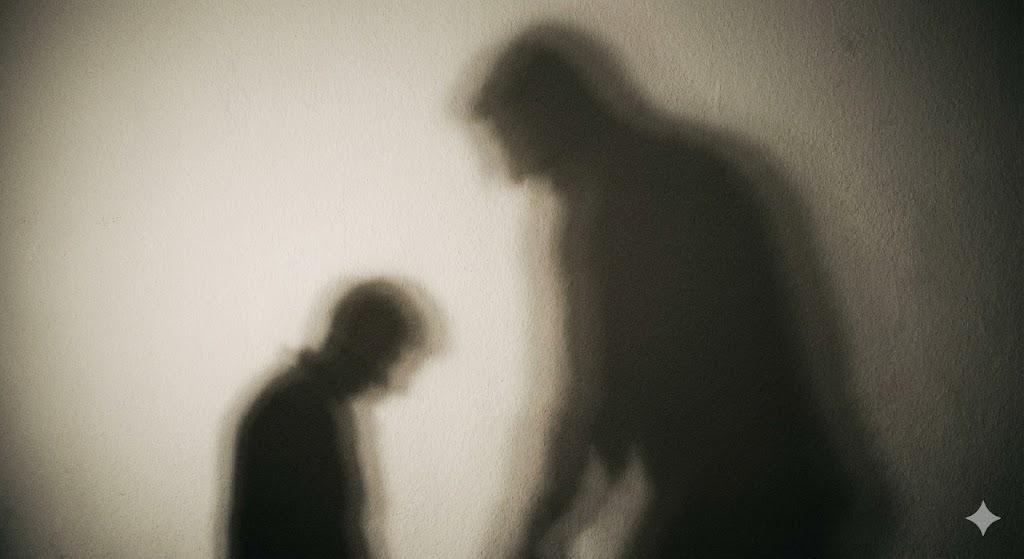
My father had another son, a secret son. My half-brother. When he was brought into our home, I felt something I couldn't name at the time — a desperate need to be seen, to be wanted, to be enough.
I followed him, idolized him, did whatever I could to gain his approval. And in that blind devotion, I became prey.
What happened next shaped everything.
The shadows tell the story better than words ever could. A small boy's shadow next to a larger, threatening one on the bedroom wall. The unspeakable visualized through darkness.
It started as curiosity, a boyhood need to belong. But curiosity twisted into something else. A hand where it shouldn't be. A whisper in the dark. A game that was not a game.
I was six.
For two years, it continued.
I never fought back. Not because I didn't understand, but because I wanted to be accepted more than I wanted to be safe.
By the time it ended, something inside me had already changed. Desire became currency. Power became language. Love became control.
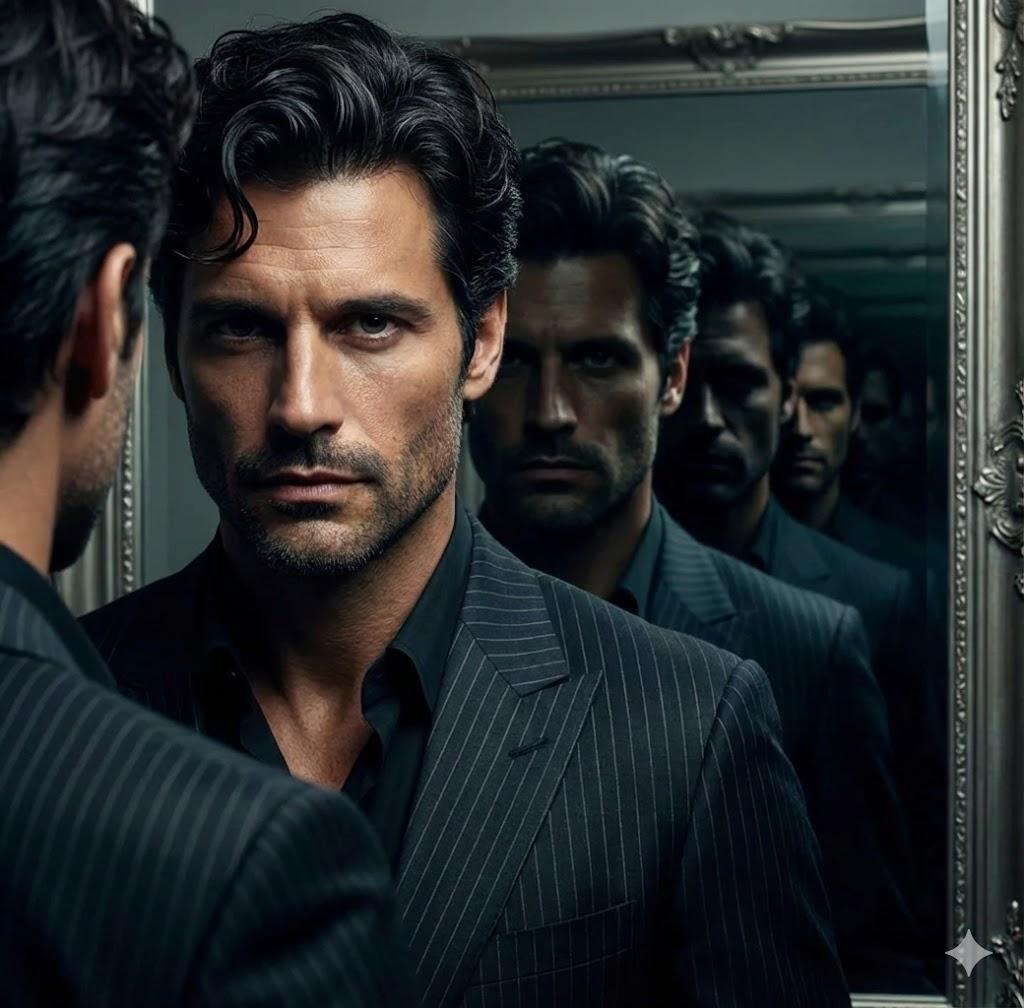
Forty-two years old.
A thousand lovers. A thousand faces. A thousand stolen moments.
And yet, standing here, staring into my own reflection repeated into infinity — each version getting progressively darker — I wonder: Was I ever really free?
Because I did not break the cycle.
I became it.
The pattern without end. The perpetuation of trauma dressed up as triumph.
Every conquest was a recreation of those early years. Every seduction, every manipulation, a test to prove that this time, I was the one in control.
And maybe, just maybe... that terrifies me.
The man in the mirror stares back, infinite and accusatory.
How many versions of myself will it take before I find one worth keeping?
HER STORY
"THE END"
Forty-eight months without the chase.
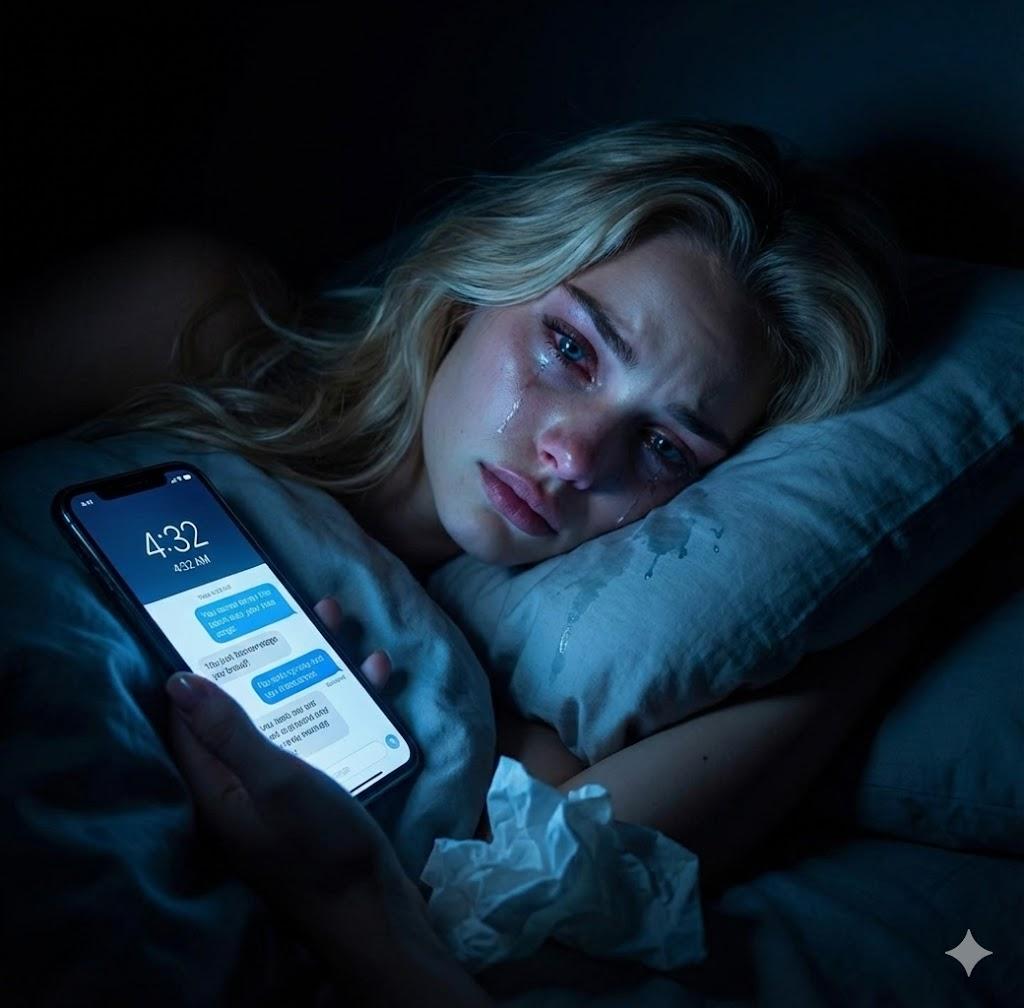
4:32 AM.
The phone screen glowed in the darkness, illuminating my face in cold blue light. Tears I didn't remember crying had soaked the pillow.
Six years.
Six years condensed into a text message. The coward's exit. The digital goodbye.
"I can't do this anymore. I'm sorry."
I read it three times, waiting for the words to rearrange themselves into something that made sense. They didn't.
Contemporary loneliness. Smartphone age heartbreak. The end of everything delivered with the same notification sound as a food delivery update.
I was twenty-four years old, and I had just learned that love was a lie men told to keep you still long enough to leave.
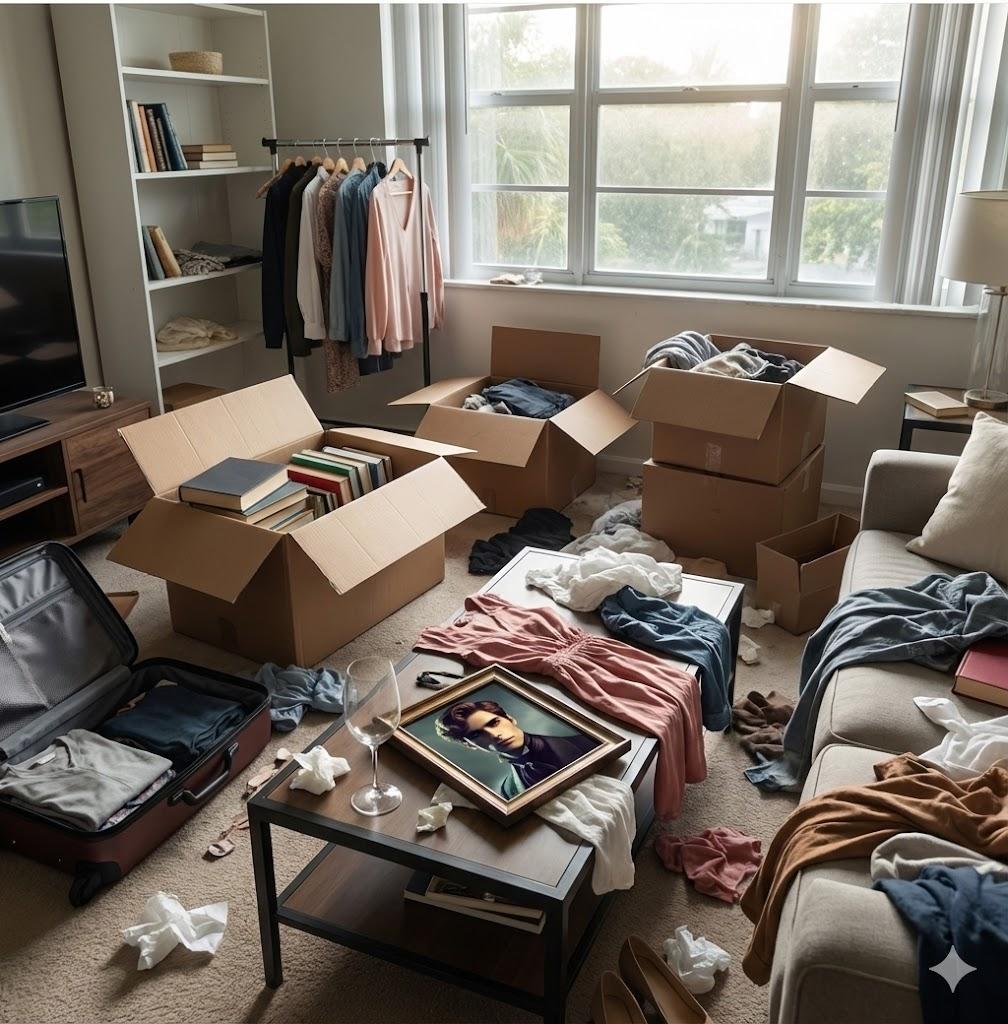
My apartment in Coconut Grove looked like a crime scene.
Half-packed boxes. Scattered clothes. An empty wine glass with a red ring at the bottom like a bloodstain. The archaeology of a failed relationship laid bare in morning light that felt too harsh, too revealing.
His things were already gone. He'd been strategic about it — removing himself piece by piece over the last month while I pretended not to notice. A shirt here. A book there. The slow extraction of a man who'd already left long before the text arrived.
I sat on the floor surrounded by the wreckage, trying to remember the last time I'd been truly happy.
I couldn't.
Maybe that was the answer I'd been avoiding all along.
His name doesn't matter anymore.
What matters is who he became. Or maybe who he always was.
The rumors started six months ago. Whispers about money that didn't add up. Friends who disappeared. Business trips to countries I couldn't find on a map.
"Stay out of it," he'd said. "You don't want to know."
He was right. I didn't.
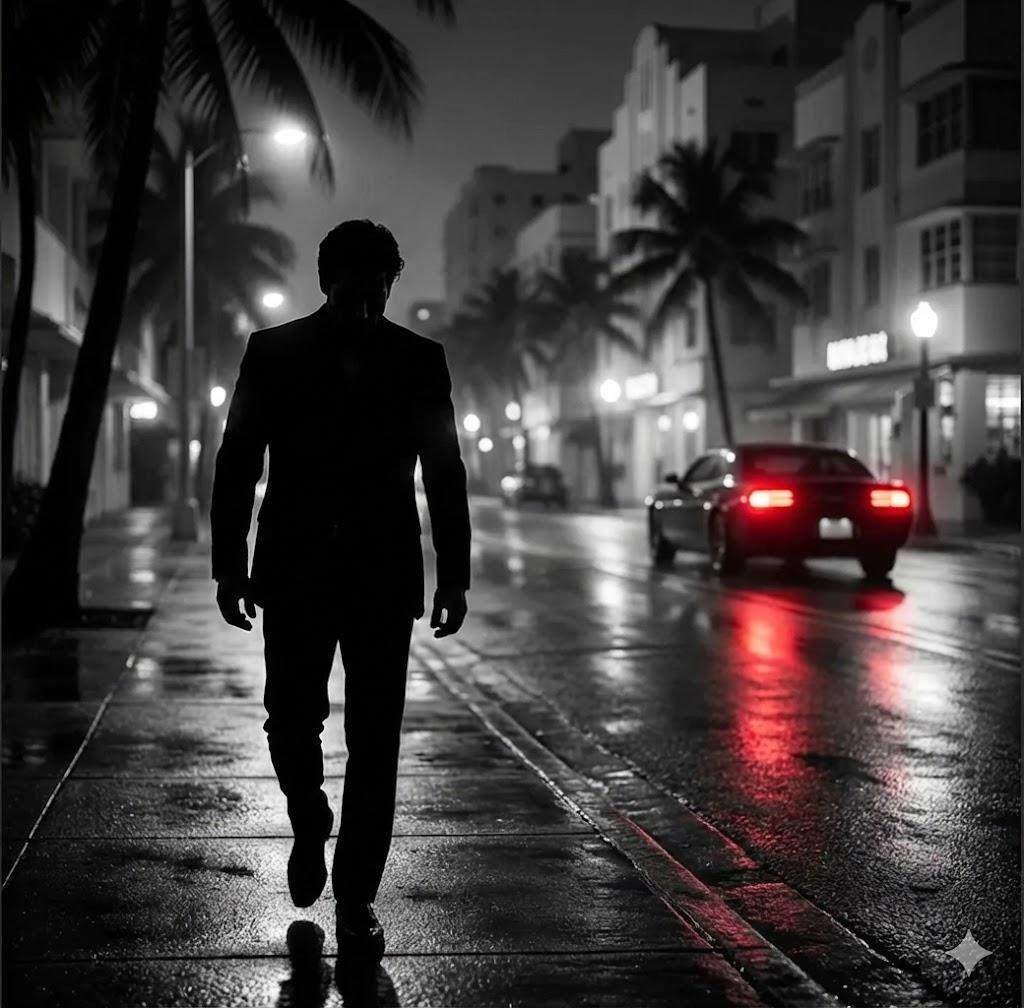
But the shadow followed him everywhere — that noir silhouette walking away on dark streets, danger implicit in every movement. Miami's underworld had a way of swallowing people whole.
I think about him sometimes. His face in the darkness. The red taillight of his car disappearing around a corner.
Some doors, once opened, can never be closed.
And I had been standing in the doorway far too long.
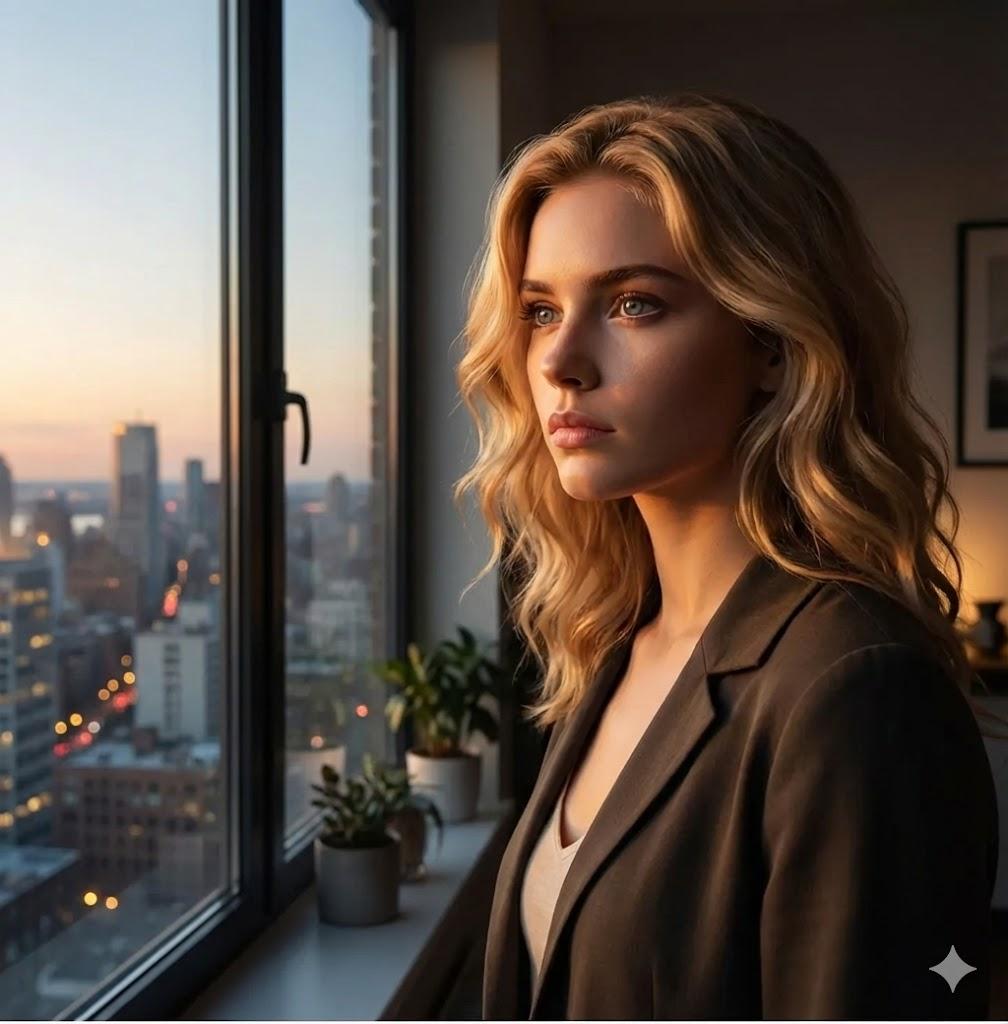
Two weeks before I met him.
I stood at the window of my new apartment, watching the city lights flicker like promises I wasn't sure I believed anymore. Golden hour painted my face in shades of hope I was still learning to feel.
I was ready.
Not for love. I wasn't naive enough to believe in that anymore.
But for something. Someone. A story that was mine to write, not his to dictate.
The warrior's resolve. That's what Sydney called it when she saw the change in me.
"You look different," she said.
"I feel different."
Different. Hopeful yet guarded. The calm before a storm I didn't know was coming.
In two weeks, I would walk into a bar called Bodega.
In two weeks, I would meet a man who called himself Svengali.
In two weeks, everything would change again.
But standing there at the window, I didn't know any of that yet.
I only knew that I was done being someone else's supporting character.
It was time to be the lead in my own story.
"You're gonna be a problem,"
she said.
Nat. Sydney's friend. Angled away. Disinterested. Detached. Not playing.
She moved like someone who knew she was the main character in her story, and everyone else? Supporting roles.
I recognized it instantly. The way she ignored me. The way she barely even acknowledged my presence. She wasn't interested.
And that made her the only one worth pursuing.
I smirked.
The game had found me again.
"THE FUTURE IS THE PRESENT... DELAYED"
Seasons come, Seasons go.

Diary Entry, Age 18
Maine. The last summer before college.
I sit on the dock, journal open on my lap, summer sunset painting the water in shades of gold and pink. Preppy New England aesthetic. The calm surface hiding depth.
I don't know why I keep coming back to this...
Writing...
Like pressing on a bruise just to see if it still hurts.
Like staring at my own reflection too long, waiting for something to shift.
Time is a joke.
A fucking inside joke.
And I'm the only one not laughing.

Eighteen years old, and I already feel like I've lived a hundred different lives. Some mine. Some borrowed. Some stolen.
But the pattern is always the same. The loop. The contradiction. The fight.
I want control. No — I want to lose it.
I want to feel everything. No — I want to feel nothing.
Two versions of me, overlapping like a double exposure — one calm and controlled, one wild with abandon. The internal contradiction visualized.
The irony.
I want to lose control.
But I never really do.
Even the drugs — I tell myself I'm doing them to escape, but that's a lie. I do them to test the limits of my control. To watch myself float, to feel my mind slip, and then — pull myself back. Because I can. Because I'm the one deciding how far to fall.
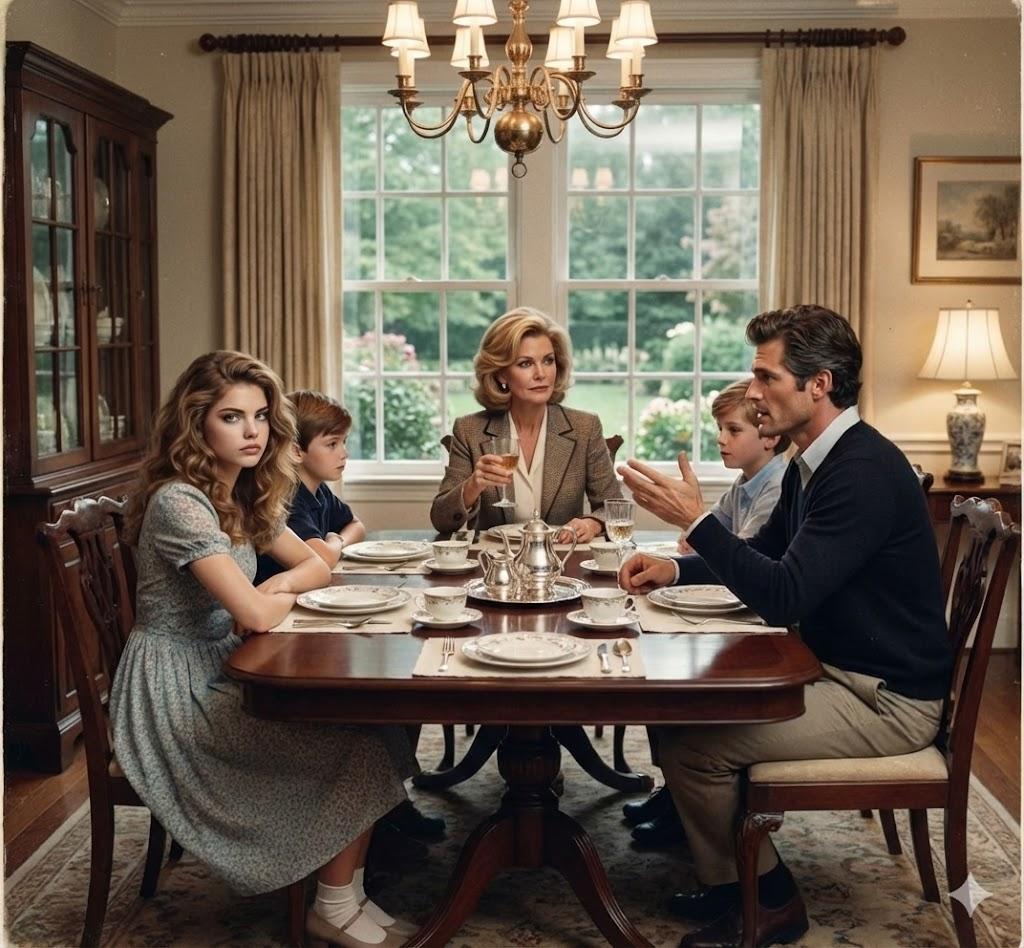
I watch my mother in the kitchen, a vision of efficiency. CEO of her own company and commander of her own home. I listen to my father talk about markets, stocks, mergers — power wrapped in percentages.
The perfect family at dinner. Everyone posed just right. Upper-middle-class New England perfection with me visible at the edge, looking slightly apart from the tableau.
Everything is good.
Everything is predictable.
And yet.
I don't feel bad. I feel... off.
Like I'm waiting for something.
Because I don't want a safe career. A predictable future. A neatly laid-out path where everything makes sense.
I want friction.
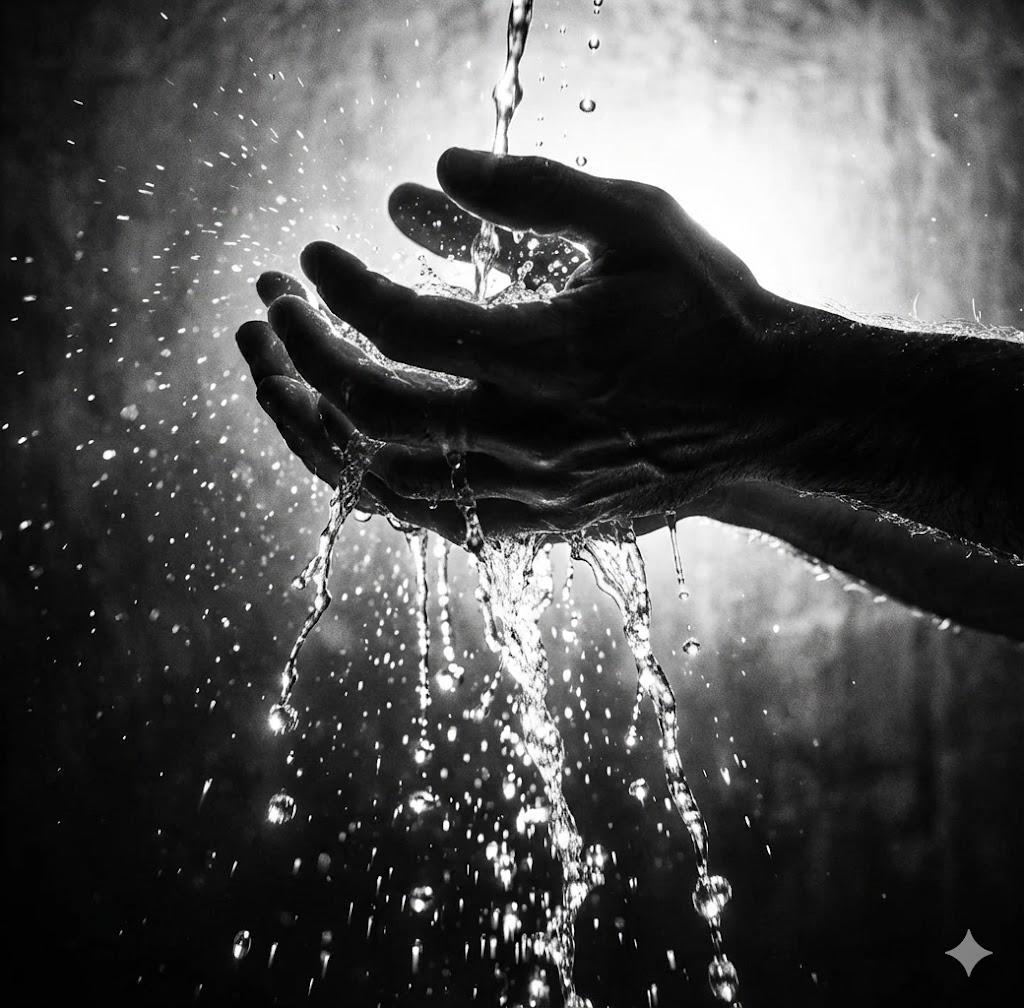
What happens when I finally find something I can't control?
I think about this as I cup water in my hands, watching it escape between my fingers no matter how tightly I press them together. Backlit dramatically. The futility of control visualized.
An elemental metaphor for a question I'm not ready to answer.
I want to unravel. Just a little. Just enough to feel something sharp, something raw, something real.
And that should scare me.
It doesn't.
Seasons come. Seasons go.
And I'm still waiting for the one that will finally change everything.
"THE OLD MEN"
I was eighteen when I kissed my first older man.
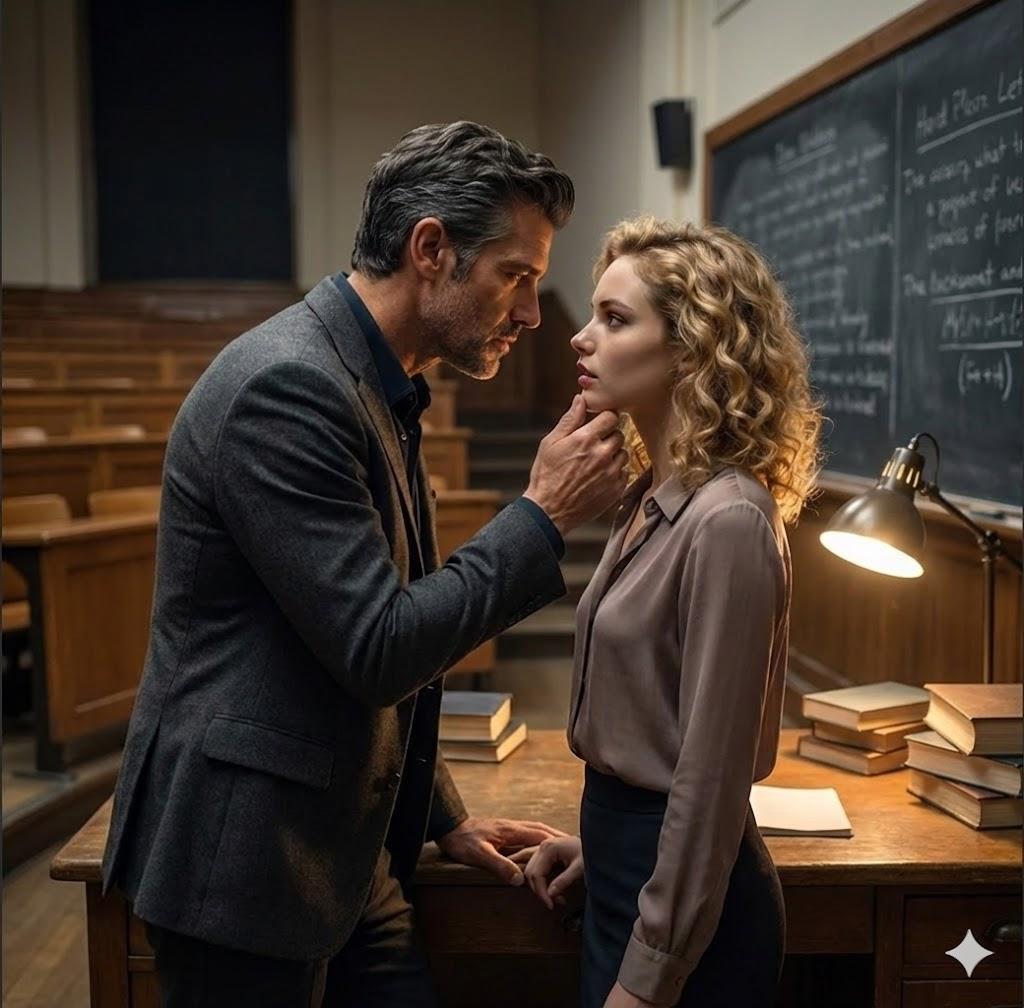
I was eighteen when I kissed my first older man.
First semester of college. Fall air still thick with humidity, classrooms buzzing with the kind of nervous, eager energy that only comes when you're freshly unshackled from your parents' expectations.
Yes, it's predictable.
My economics TA.
Not my professor. Not officially. But close enough to make it wrong.
He was thirty-three. Sixteen years older. We stood in the empty lecture hall after hours, warm lamp lighting casting us both in shades of forbidden. The charged conversation. The tension implicit in every word.
He should have known better. I did, too.
That was what made it delicious.
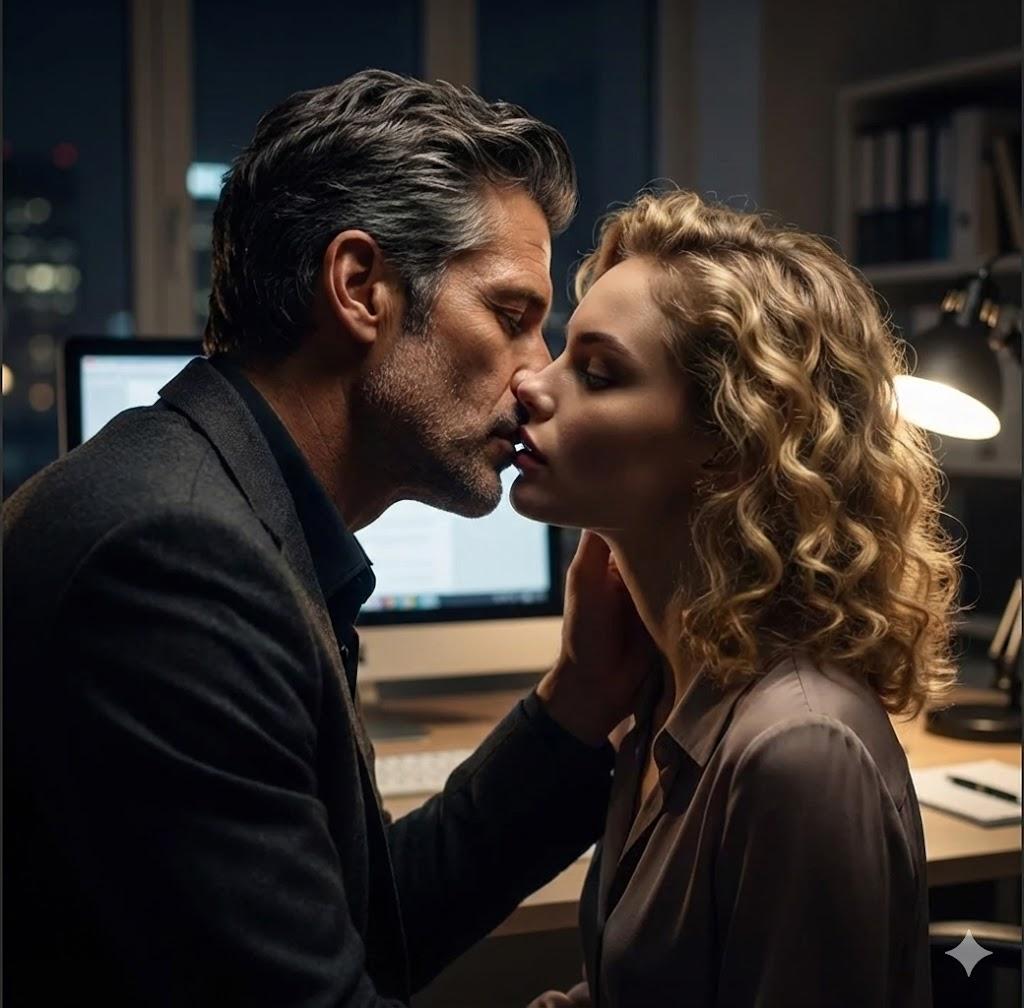
The first kiss happened in his office during a late review session.
The age gap visible in the contrasting textures — his stubble against my smooth skin. The office blurred in the background, books and papers and the weight of everything he was risking.
The crossing of a line. A stolen moment. Dramatic chiaroscuro lighting through the window blinds.
Romantic but transgressive.
Older men aren't like boys.
Boys are sloppy. Boys are desperate. Boys want you to want them.
Older men? They need you to prove you're worth breaking the rules for.
And I liked that.
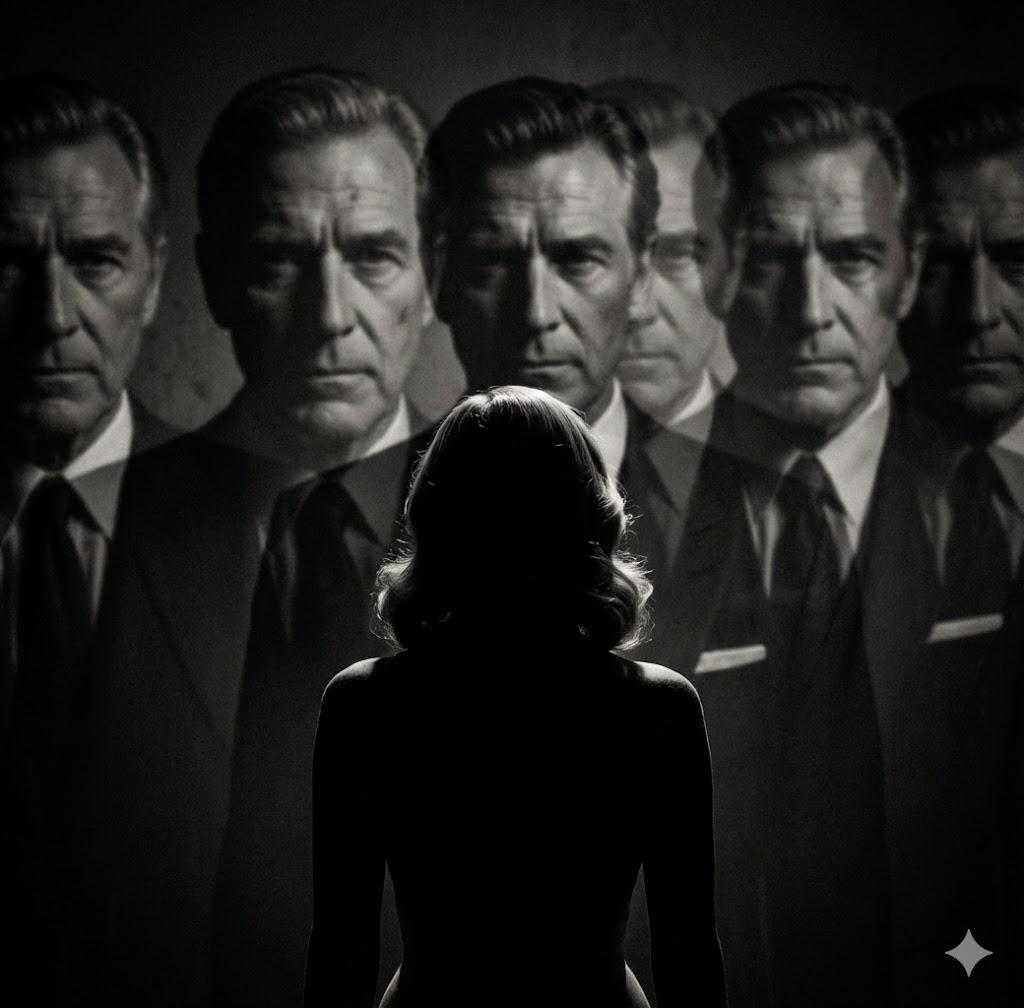
The pattern emerged quickly.
Multiple older men's faces, slightly overlapping in my memory like a montage — each one in shadow, each one a conquest, each one a lesson.
Boys in high school had been too easy. Too eager. There was no thrill in that. No skill.
But older men — they had control. They lived by their own rules. They calculated risk.
And I wanted to be the thing that made them forget all of it.
I learned quickly. I refined the technique.
It wasn't love. I had never been foolish enough to mistake desire for that.
Love was a game people played with themselves. A chemical reaction dressed up as destiny.
This was something else entirely.
This was about power.
My power.

And when I met Svengali, I recognized him instantly.
Not because he was different.
Because he was the first man who played the game as well as I did.
I saw it in his eyes — that same calculating hunger I'd perfected over years of practice. The same understanding that every interaction was a negotiation, every word a chess move.
He thought he was hunting me.
I let him think that.
But I had recognized my equal.
And I? I was still ready.
And that changed everything.
"TWO WEEKS LATER"
I saw him. Or maybe he saw me first.
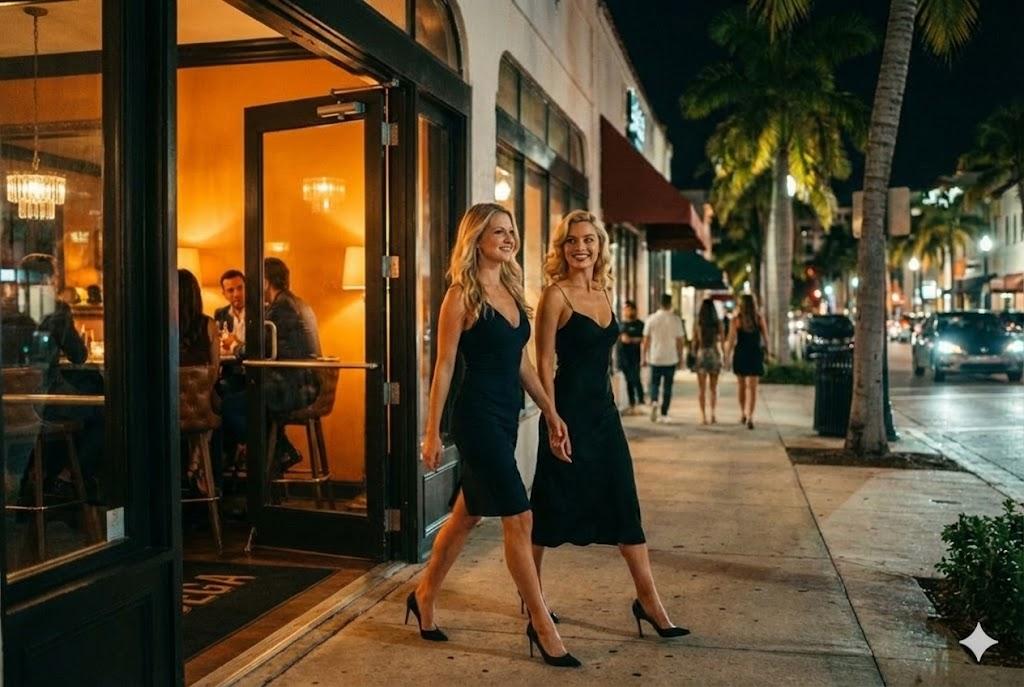
Sydney and I walked into Bodega, the air thick with cheap tequila and half-formed intentions. The kind of place that existed in a suspended reality — where Mondays blurred into Thursdays, where bad decisions tasted like margaritas, where the right lighting and the right music could make anything seem like a good idea.
I wasn't scanning the room.
I wasn't looking for anything.
But then — I saw him.
Or maybe he saw me first.
It depends who you ask.
According to him, I walked in like an afterthought, some chance occurrence in his already unraveling night. But I know better. I know the exact moment I turned my head, the exact second I felt him before I even saw him.
Older. Forty-something. Not just older. Sharper.
The kind of man who had seen enough of the world to know exactly what he was looking at.
He wasn't hunting.
He was waiting. Like he already knew something the rest of us didn't.
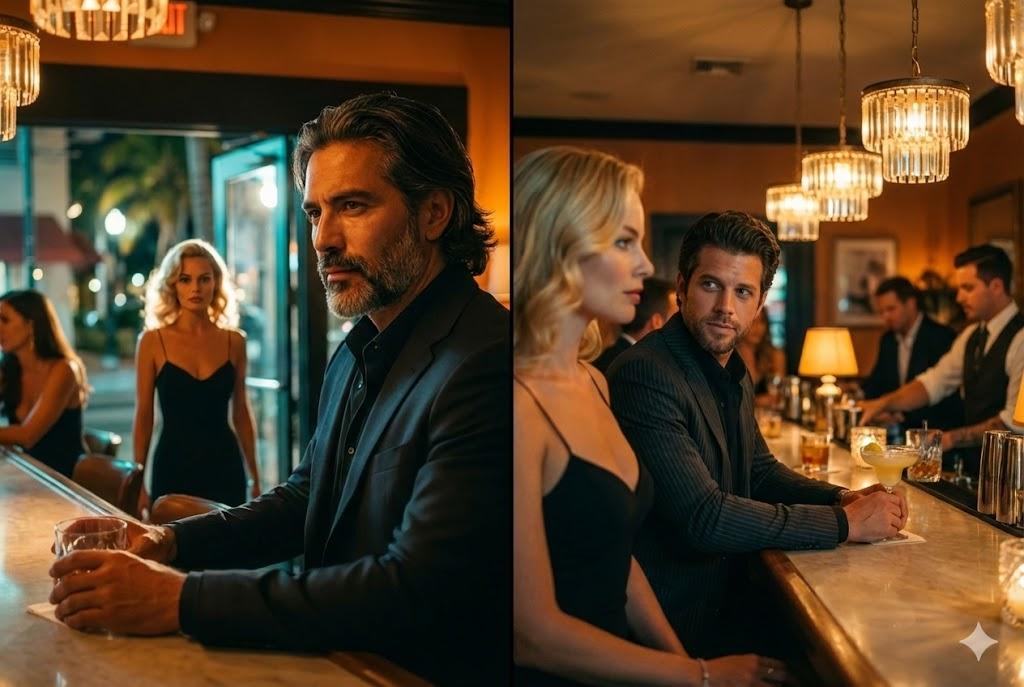
The first rule of the game is patience.
I turned my head. Slowly. Casually. And there he was. Already watching me.
His gaze wasn't intrusive. It wasn't needy. It was... curious. Like he was trying to solve something. Me.
I held it. Not too long, not too short. Just enough to make him feel it.
Then, I turned back to Sydney.
I didn't acknowledge him again.
Not for minutes.
Not even when I felt him still looking.
Let the tension build. Let them wonder if they imagined it.
That's the trick.
Men like him, men who move through life as if they already know the script? They hate uncertainty. They hate not knowing the next move.
So I didn't give him one.
Not yet.
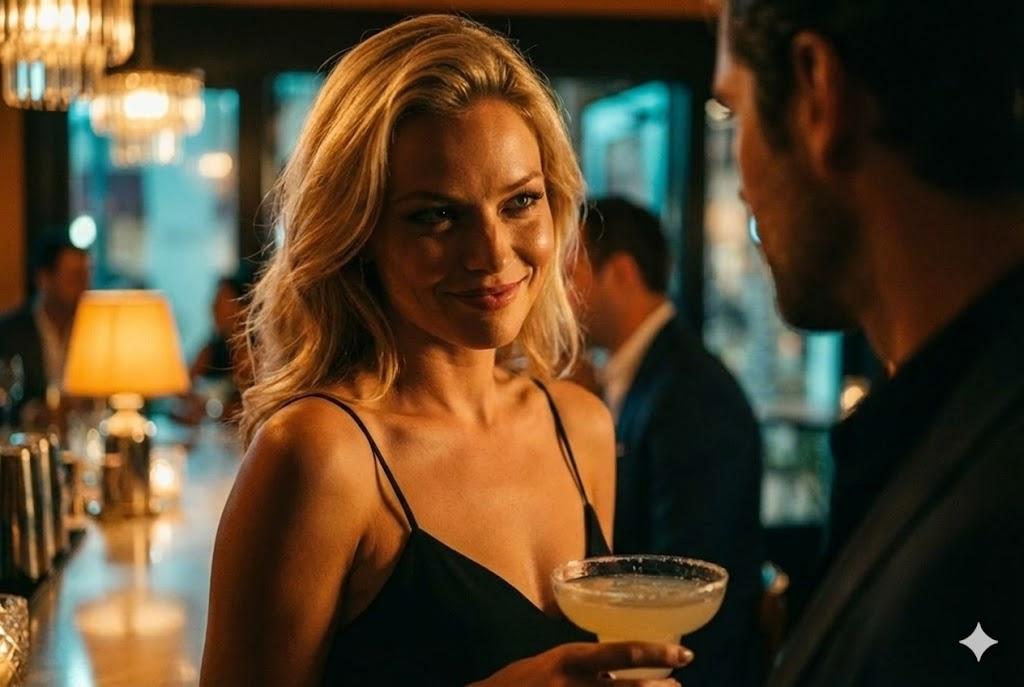
"You're dangerous," he said.
I smirked.
"Oh yeah? How so?"
His head tilted slightly, the smallest movement, the kind that let me know he was already dissecting, already unraveling the moment before it even happened.
"You let people think they've figured you out," he said. "But you control exactly what they see."
A slow inhale.
My heart didn't race. It slowed.
Because he saw me.
And that? That was rare.
Most men, even the smart ones, only saw what I let them.
But this one?
He wasn't asking.
He was telling.
That made him different.
That made him interesting.
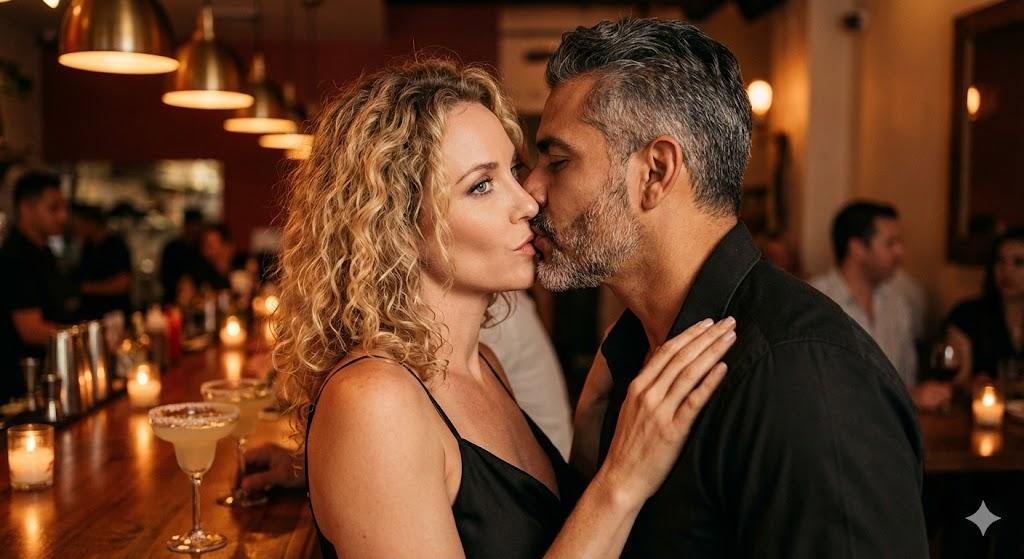
The conversation unraveled slowly, like a thread being tugged at the edges of something delicate.
He asked if he could kiss me.
I said no.
Then I said yes.
Because it wasn't about whether or not I wanted to. I didn't kiss men because I wanted them. I kissed them because I wanted to know them.
And in that moment, I knew.
I had him.
Kissing him was like biting into the ripest strawberry — sweet, lush, decadent in a way that made you want to close your eyes just to savor it. A kiss that lingered in the air even after it was over.
He kissed like a man who had mastered control.
Slow. Intentional. A measured seduction.
But I knew better. Control is a trick. A mirage. A lie we tell ourselves when we think we're winning.
And I could feel it — the moment he started to unravel. That subtle shift. That fraction of hesitation.
That made me smile against his lips.
"CONTROL IS A FUNNY THING"
You think you have it. Until you don't.
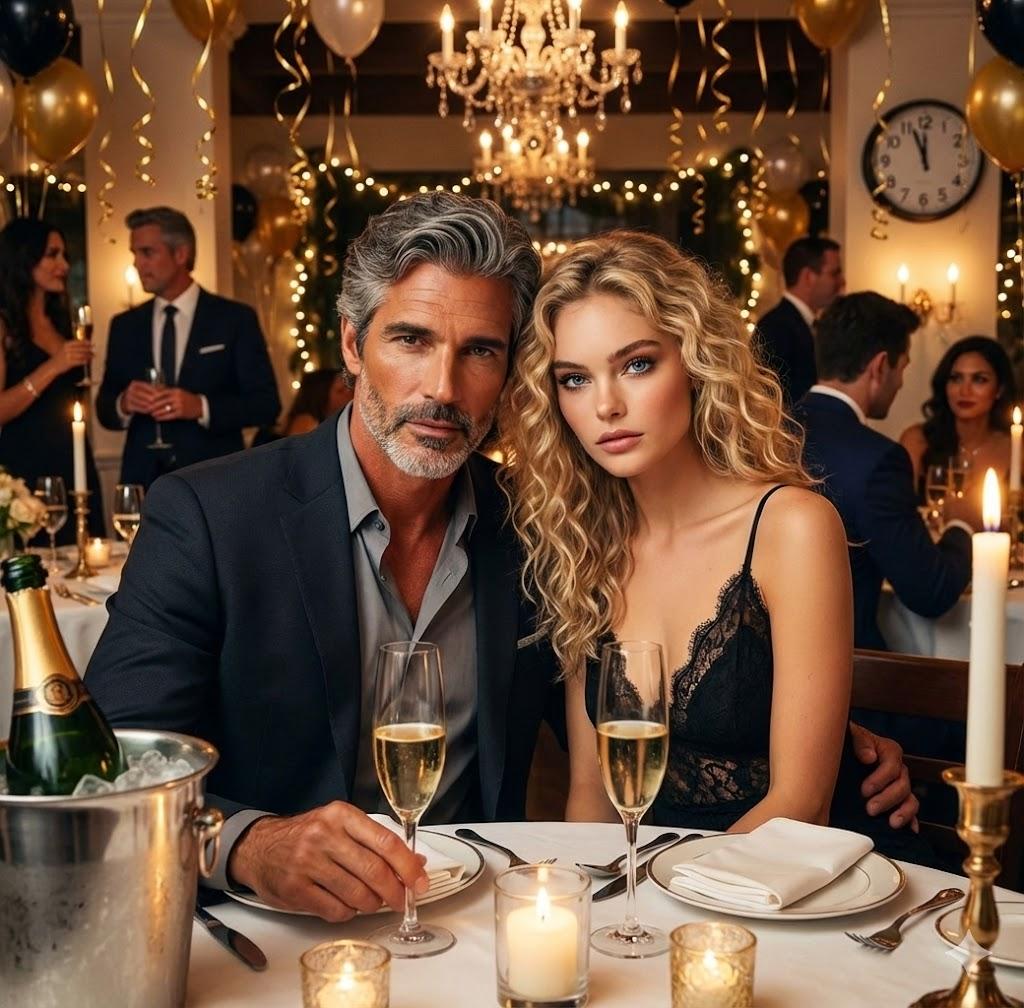
New Year's Eve. Mika restaurant. Coral Gables.
The weight of the year pressing against my skin. The weight of something else.
You think you have it. Until you don't.
You think you're the one orchestrating the game, that every move, every glance, every shift in power is by your design — until you realize the game had already been played long before you even sat down at the table.
He thought he had me.
I let him think that.
But the truth?
I knew I was going to leave him.
I knew it the moment I said yes. The moment I let myself be pulled into his orbit. The moment he pressed his mouth against mine in Bodega, hands steady, breath calculated, like a man who thought he was taking something.
But I wasn't his to take.
I never was.
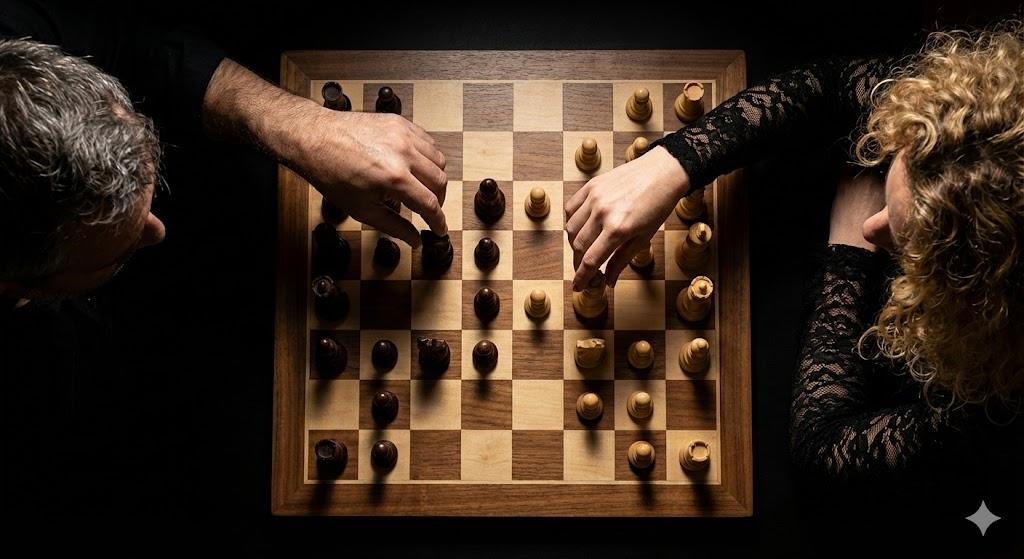
I had spent years with men like him — older, sharper, structured. Men who played by the rules. Men who liked their games predictable. Men who knew the script, and liked women who followed it.
And I had mastered it.
I had watched them unravel before. I had felt the moment a man shifted from the hunter to the hunted.
Men like that needed to believe they were in control, that they were choosing you, pulling you into their world.
They didn't realize they were the ones being chosen.
This one should have been the same.
I had been watching him from the beginning. Not just that night. Not just in Bodega. From the moment I saw him, I knew.
But that night, something was different.
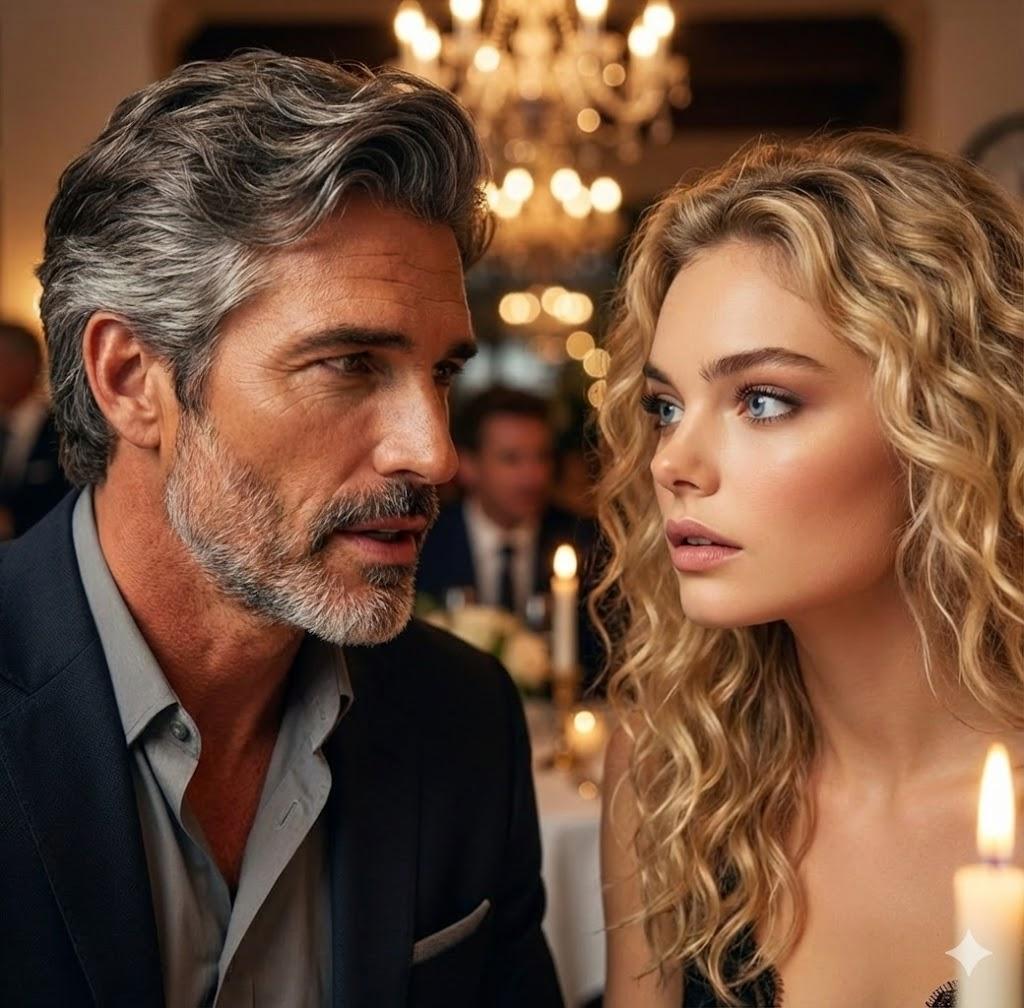
He leaned in close, voice low, steady, deliberate.
"You will teach me humility," he said.
I should have laughed.
I should have brushed it off, rolled my eyes, let the moment slide past us like the hundreds before it.
But I didn't.
Because in that moment, something tilted.
Not in a way that I could pinpoint. Not in a way that I could control.
Just a fraction of a second where the ground beneath me wasn't as steady as I thought it was.
I didn't feel in control.
And I didn't know if I liked it.
This wasn't supposed to happen.
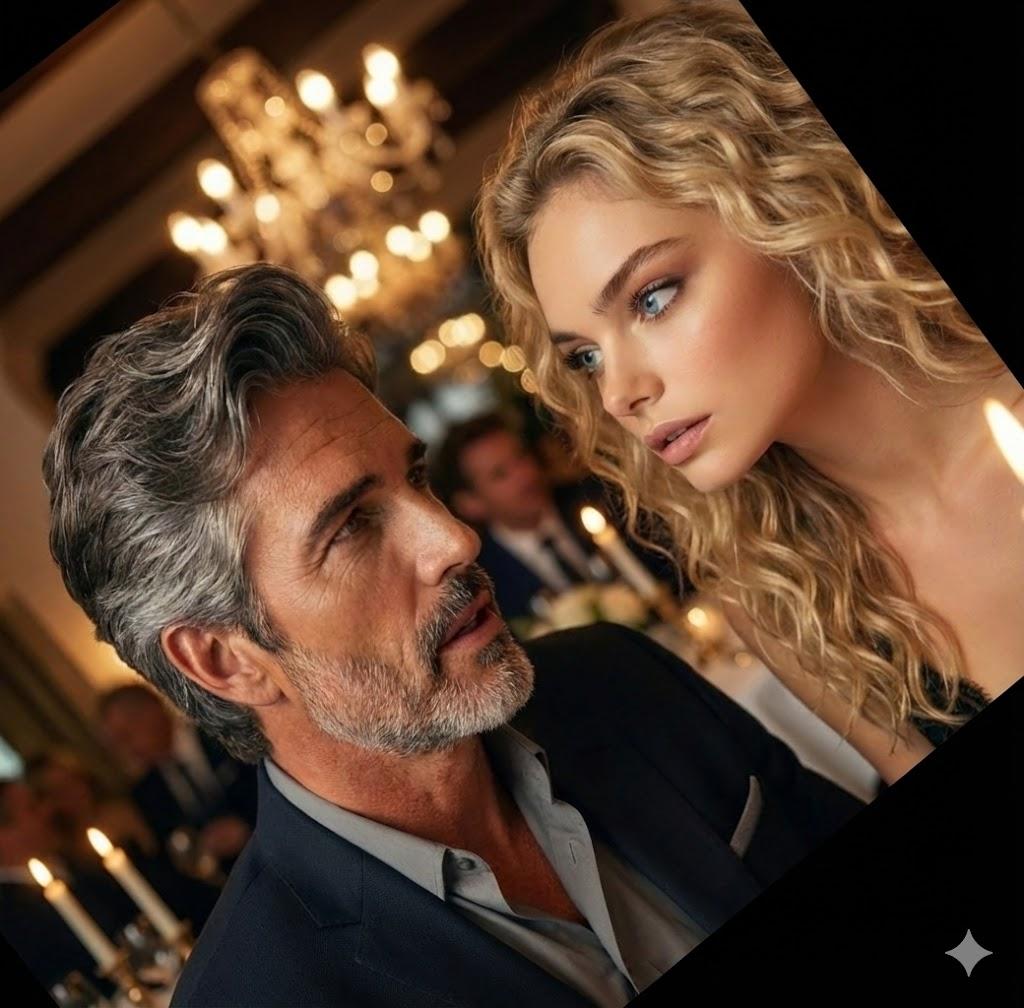
Looking back, I wonder if I ever had a choice.
I knew I was going to leave him. That was never the question.
But what I didn't know was when.
Because for the first time in my life, I wasn't certain. For the first time, the game didn't feel like a game.
I told myself I was the one pulling the strings.
That I was in control.
That I was the one who decided when it ended.
But the truth?
Maybe he was the one who had me from the start.
Maybe he saw through me before I even saw myself.
And that?
That terrifies me.
Because if I wasn't the one in control...
Then who was?
And maybe, just maybe, I wasn't the one playing it anymore.
"FOR SOMETHING TO GROW IT MUST BE BURIED"
The End. The Beginning.
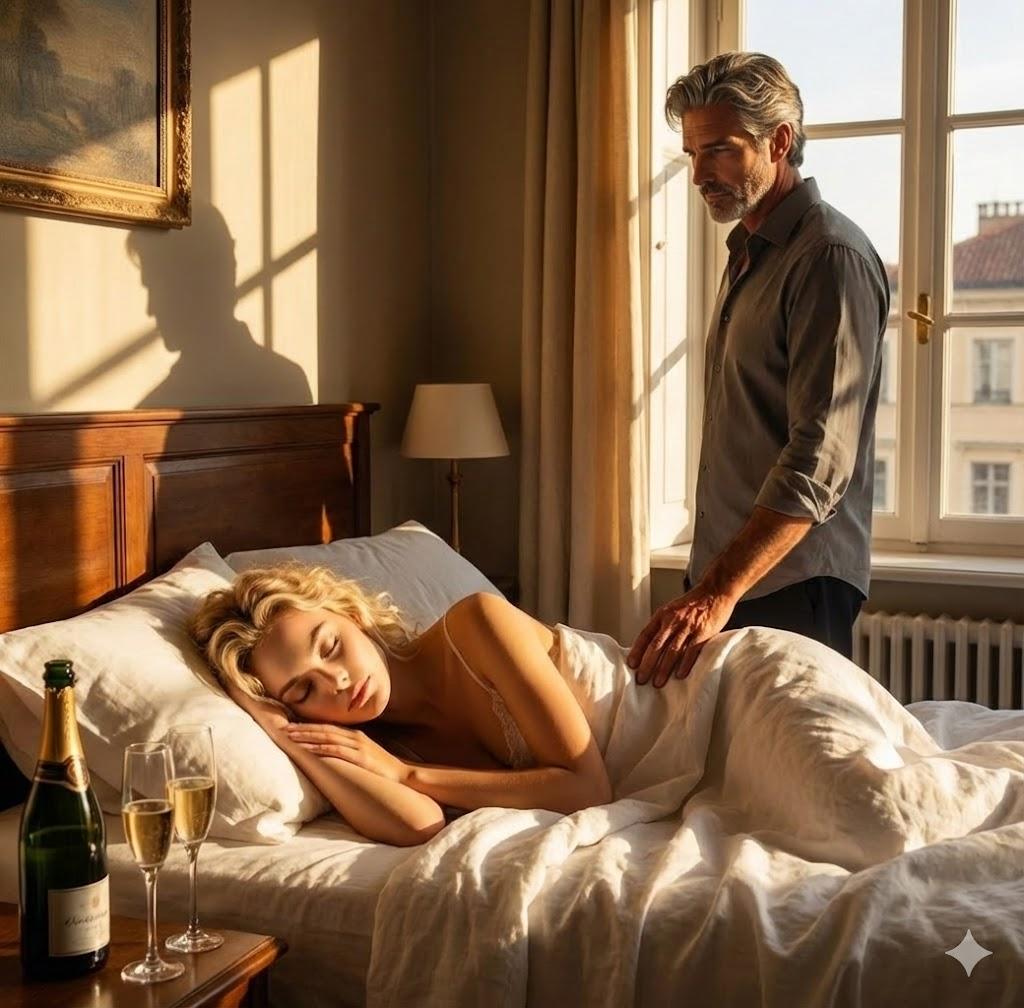
The year had ended. A new one was beginning.
Apropos, I thought.
The End. The Beginning.
Morning golden light streamed through the windows as I studied her face. She lay asleep in white sheets, peaceful. My shadow visible watching her — tenderness and calculation coexisting in this final moment.
I thought about what I would say to her.
I processed everything.
Because Nat was meant to teach me something.
What that was, I wasn't sure yet.
But I knew it wasn't love.
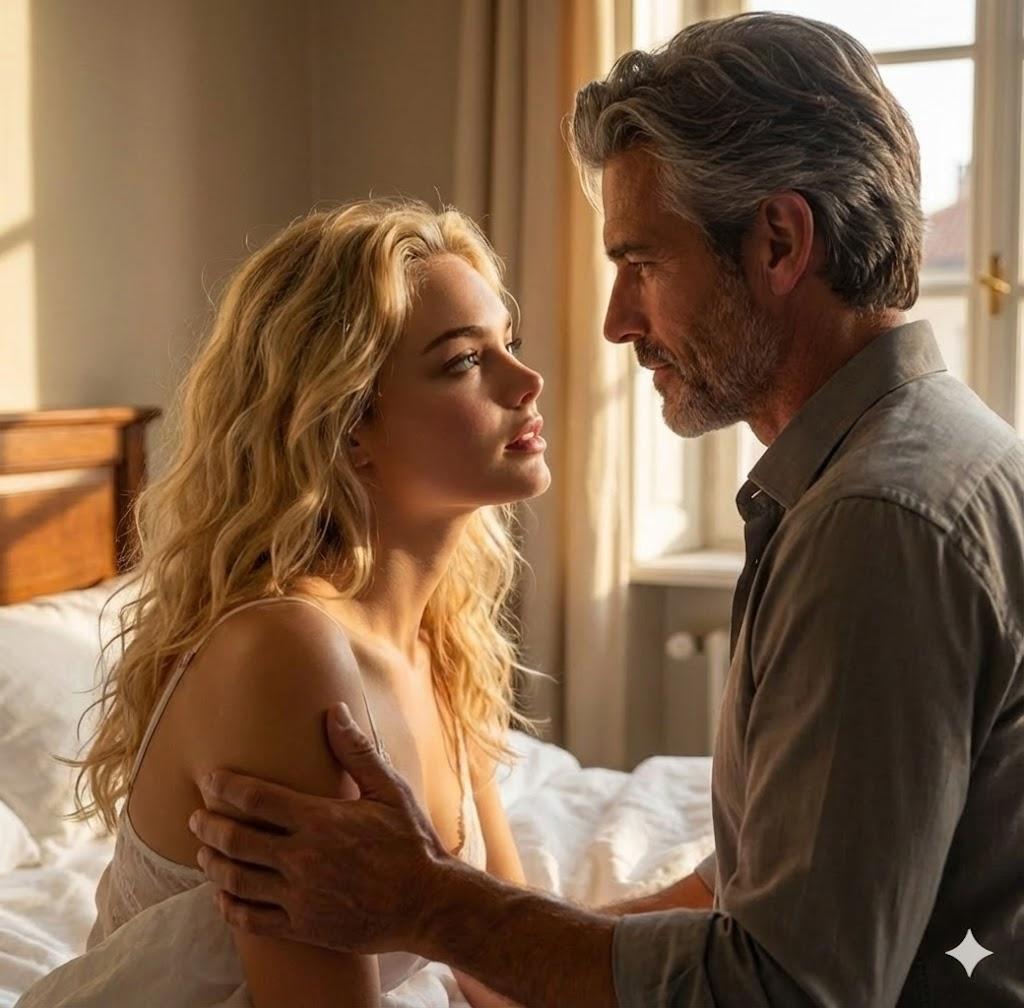
"You're going to teach me humility," I muttered.
She blinked, still caught between sleep and wakefulness.
"What?"
"I see it now," I said.
"I thought I was leading the game. This game."
I exhaled slowly, the weight of realization settling into my bones.
"But the reality is... You are me."
She tilted her head, eyes narrowing just slightly. Listening.
"Smarter. More cunning. More powerful than I will ever be."
A beat of silence.
"And I thank you."
"And you're catching on, Daddy," she replied.
That triumphant smirk. Power reclaimed. Victorious expression in morning light. The student surpassing the master.
It was effortless.
It was control.
It was the final stroke of a brush on a masterpiece.
We saw each other for four more weeks.
Twenty-eight days.
Enough time to satiate whatever desire I had left. Enough time to understand that continuing with a woman like Nat would be my undoing.
So I walked away.
Not because I didn't want her. Because I did. More than I'd wanted anyone in years.
I walked away because for the first time, I understood that some victories are actually defeats in disguise.
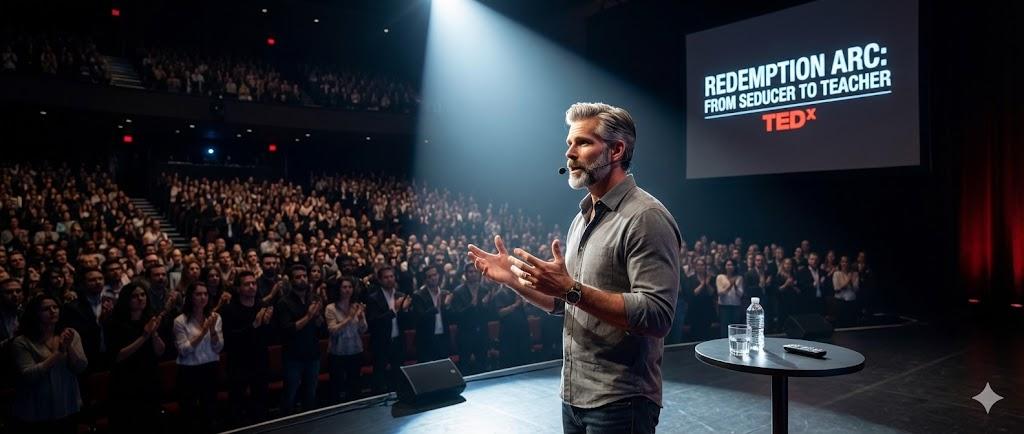
Ten years passed.
And then I found myself standing on a stage. A spotlight cutting through the darkness. Hundreds of faces staring up at me.
Not with lust. Not with reverence.
With hunger.
They wanted what I knew. They wanted the secrets I'd spent a lifetime accumulating.
So I gave them the truth.
To the men who had spent their lives chasing control, I said: The ones who chase it are the ones always losing it. Power isn't about making them want you. It's about knowing when to let go.
To the women who had fallen into the arms of men like me, I said: The men who promise you the world will never let you live in it. The ones who love the chase will never love the catch.
I spoke to Svengalis. I spoke to Nathalies.
And for the first time in my life, I wasn't the seducer.
I was the teacher.
Finally, Yes.
I am fifty-six now.
A narcissist. I accept that.
But in that acceptance, I found something I never expected. A purpose. A voice. Something beyond seduction. Something beyond power.
I needed to die to be reborn. I needed to lose to understand what was worth winning. I needed a woman who was my equal to show me my own reflection.
And in the end, it was never about winning.
It was about knowing when to walk away.
Now imagine me at ninety-five. The game ended decades ago. The women have faded into memory. The years have passed like pages turning in a book I wrote myself.
I never reached out to Nat after those final days. Not because I didn't care. Because I had already moved forward. Because I had changed.
Not into someone softer. Not into someone weaker.
Into someone who finally understood.
For something to grow, it must first be buried.
I had to bury the Svengali I was to become the man I needed to be.
And now, at the end of everything, with warmth settling into my bones like an old friend finally come home...
Are you at peace?
Yes.
Finally, yes.
Are you at peace?
Yes.
Finally, yes.
THE SVENGALI MANIFESTO
A story of seduction, control, and transformation.